Latest Console Gaming Technology: A Revolution In Gaming Experience
Kicking off with latest console gaming technology, this innovative advancement has transformed the gaming landscape, offering unparalleled experiences to gamers worldwide. From cutting-edge hardware to immersive graphics, this evolution is redefining how we play.
As we delve deeper into the realm of console gaming technology, each aspect unveils a new dimension of innovation and excitement, paving the way for a future where gaming knows no bounds.






Overview of Latest Console Gaming Technology
Console gaming technology has come a long way since its inception, revolutionizing the way we play video games. Let’s take a look at the brief history, evolution, and current state of console gaming technology.
Brief History of Console Gaming Technology
Console gaming technology traces back to the 1970s with the introduction of the Magnavox Odyssey, considered the first home video game console. It featured simple games like Pong and kickstarted the era of at-home gaming. Over the years, consoles like the Atari 2600, Nintendo Entertainment System (NES), and Sega Genesis brought more advanced graphics and gameplay to the market.
Evolution of Console Gaming Technology
- With the release of the Sony PlayStation in the mid-1990s, 3D graphics and CD-ROM technology became mainstream, setting a new standard for console gaming.
- Microsoft entered the scene with the Xbox in the early 2000s, introducing online gaming and multimedia capabilities to consoles.
- Nintendo continued to innovate with motion controls on the Wii and portable gaming with the Switch, appealing to a wide range of players.
Current State of Console Gaming Technology
- Modern consoles like the PlayStation 5, Xbox Series X, and Nintendo Switch offer 4K graphics, ray tracing technology, and fast load times for immersive gaming experiences.
- Cloud gaming services like Xbox Game Pass and PlayStation Now allow players to access a vast library of games without the need for physical discs.
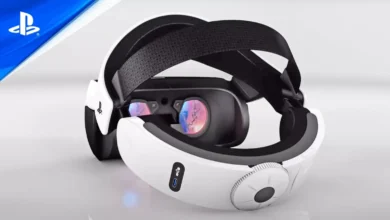
- Virtual reality (VR) gaming is also becoming more prevalent, with consoles like the PlayStation VR providing an interactive and immersive gaming experience.
Hardware Innovations in Console Gaming
Console gaming technology has seen significant hardware advancements in recent years, revolutionizing the gaming experience for players worldwide.
Increased Processing Power
One of the most notable hardware innovations in console gaming is the exponential increase in processing power. Current-generation consoles boast powerful CPUs and GPUs that far surpass the capabilities of their predecessors. For example, the PlayStation 5 and Xbox Series X are equipped with custom AMD processors that deliver lightning-fast performance and stunning graphics.
Improved Storage Solutions
Another key hardware improvement in console gaming is the adoption of solid-state drives (SSDs) over traditional hard disk drives (HDDs). SSDs offer faster loading times, seamless gameplay experiences, and increased storage capacity, allowing players to store more games and content on their consoles.
Enhanced Graphics and Visuals
Hardware advancements have also led to enhanced graphics and visuals in console gaming. With support for technologies like ray tracing and high dynamic range (HDR), modern consoles deliver lifelike graphics, realistic lighting effects, and vibrant colors that immerse players in breathtaking virtual worlds.
Graphics and Display Technologies
The latest console gaming technology has seen significant advancements in graphics and display technologies, enhancing the overall gaming experience for players.
Cutting-edge Graphics Technologies
- One of the major advancements in graphics technology for consoles is the implementation of real-time ray tracing. This technology allows for more realistic lighting, reflections, and shadows in games, resulting in stunning visuals.
- Console manufacturers have also focused on increasing the graphical processing power of their systems, enabling games to run at higher resolutions and frame rates while maintaining graphical fidelity.
- Advanced rendering techniques such as dynamic resolution scaling and variable rate shading are being utilized to optimize performance without compromising visual quality.
Advancements in Display Resolutions and Refresh Rates
- The latest consoles support higher display resolutions, including 4K and even 8K, providing sharper and more detailed images on compatible screens.
- Refresh rates have also seen a boost, with some consoles offering support for 120Hz or even 240Hz displays, resulting in smoother gameplay and reduced motion blur.
- Variable refresh rate technologies like FreeSync and G-Sync are being integrated into consoles to eliminate screen tearing and provide a more fluid gaming experience.
Impact of Ray Tracing Technology
- Ray tracing technology has revolutionized console gaming visuals by simulating the behavior of light in real-time, creating more lifelike environments and objects within games.
- With ray tracing, reflections are more accurate, shadows are more realistic, and lighting effects are more dynamic, immersing players in a more realistic gaming world.
- Developers are leveraging ray tracing to enhance the visual quality of games, pushing the boundaries of what is possible in terms of graphics realism on consoles.
Controller Designs and Features
The latest console gaming technology has brought forth innovative controller designs and features that aim to enhance the overall gaming experience for players.
Design Elements of Latest Console Controllers
Console controllers now feature sleek and ergonomic designs that prioritize comfort during long gaming sessions. The buttons are strategically placed for easy access, and the overall shape of the controller allows for a secure grip. Additionally, controllers often come in a variety of colors and styles to cater to different preferences.
Unique Features in Controller Technology
The introduction of haptic feedback and adaptive triggers in controllers has revolutionized the way players interact with games. Haptic feedback provides tactile sensations that simulate actions within the game, adding a new layer of immersion. On the other hand, adaptive triggers offer varying levels of resistance depending on the in-game action, providing a more realistic gaming experience.
Enhanced Gaming Experience through Controller Innovations
These controller innovations not only make gameplay more engaging but also offer a competitive edge to players. The precise control and feedback provided by haptic feedback and adaptive triggers allow for more nuanced gameplay strategies. This, in turn, enhances the overall gaming experience and ensures that players are fully immersed in the virtual world.
Storage Solutions and Load Times
In the realm of modern console gaming technology, storage solutions play a crucial role in enhancing the overall gaming experience. The type of storage used in consoles directly impacts load times, game installation speed, and overall performance. Let’s delve into the details of how storage solutions have evolved and their impact on gameplay.
SSDs Revolutionizing Load Times
Solid State Drives (SSDs) have revolutionized the gaming experience by significantly reducing load times and improving overall performance. Unlike traditional Hard Disk Drives (HDDs), SSDs offer faster data access speeds, resulting in quicker loading of game levels, faster boot times, and smoother gameplay transitions. The use of SSDs in modern consoles has set a new standard for seamless gaming experiences.
Comparison of Storage Capacities and Speeds
Different consoles offer varying storage capacities and speeds to cater to the diverse needs of gamers. For example, the PlayStation 5 and Xbox Series X come equipped with high-speed SSDs ranging from 825GB to 1TB, allowing for faster data transfer and reduced load times. On the other hand, the Nintendo Switch utilizes eMMC storage, which although not as fast as SSDs, still provides decent performance for its game library. It’s essential for gamers to consider storage capacities and speeds when choosing a console to ensure a smooth gaming experience.
Online Connectivity and Services
Online connectivity has become a crucial aspect of modern console gaming, offering a wide range of features and services that enhance the overall gaming experience. From multiplayer capabilities to subscription services, online connectivity plays a significant role in shaping the way gamers interact and enjoy their favorite titles.
Subscription Services: Xbox Game Pass and PlayStation Now
Subscription services like Xbox Game Pass and PlayStation Now have revolutionized the way gamers access and play games. With a vast library of titles available for a monthly fee, players can enjoy a diverse range of games without the need to purchase them individually. This not only provides cost-effective options for gamers but also allows them to discover new titles they may not have tried otherwise.
Enhanced Multiplayer Gaming Experiences
Online connectivity enables seamless multiplayer gaming experiences, allowing players to connect with friends and other gamers from around the world. Whether teaming up for cooperative missions or competing in intense matches, the ability to play online enhances the social aspect of gaming and adds a new layer of excitement to the overall gameplay experience. Features like voice chat, matchmaking systems, and cross-platform play further enhance the multiplayer experience, making it more dynamic and engaging for players.
Virtual Reality and Augmented Reality Integration
Virtual Reality (VR) and Augmented Reality (AR) technologies have been making waves in the gaming industry, offering players a new level of immersion and interactivity. The integration of VR and AR in console gaming has opened up a world of possibilities for gamers to experience their favorite titles in a whole new way.
Immersive Gaming Experiences
VR and AR technologies have the potential to transport players into virtual worlds, allowing them to interact with the game environment in ways never before possible. With VR headsets, players can feel like they are inside the game, experiencing realistic graphics and environments in 360 degrees. AR, on the other hand, overlays digital elements on the real world, enhancing the player’s surroundings with interactive elements.
Comparison Across Different Platforms
Each console platform offers its own unique take on VR and AR integration. PlayStation VR for the PlayStation console, for example, provides a seamless VR experience with its headset and tracking system. Xbox’s AR capabilities with Microsoft’s HoloLens offer a different approach, blending virtual elements with the real world. Nintendo Switch has also dabbled in AR with games like Pokémon GO, utilizing the player’s real-world location as part of the gameplay.
Cross-Platform Compatibility and Cloud Gaming
Cross-platform compatibility in console gaming refers to the ability of players using different gaming platforms to play together seamlessly. This means that gamers on Xbox, PlayStation, PC, and other platforms can all join the same game and play against each other online. This feature has become increasingly popular as it allows for a larger player base and more diverse gaming experience.
Rise of Cloud Gaming Services
Cloud gaming services like Google Stadia and Xbox Cloud Gaming have gained momentum in recent years. These platforms allow players to stream games directly from the cloud without the need for expensive hardware or downloads. With cloud gaming, players can access a vast library of games instantly, play across multiple devices, and enjoy high-quality graphics and performance.
- Google Stadia, for example, offers a subscription-based service where players can access a variety of games on different devices, including smartphones, tablets, and computers.
- Xbox Cloud Gaming, on the other hand, integrates with Xbox Game Pass to provide a wide range of games that can be played across Xbox consoles, PCs, and mobile devices.
Cloud gaming eliminates the need for powerful hardware and allows players to enjoy high-quality gaming experiences on any device with a stable internet connection.
Benefits and Challenges of Cloud Gaming
Cloud gaming offers several benefits for console players, such as the flexibility to play on multiple devices, access to a larger game library, and reduced hardware costs. However, there are also challenges to consider, including internet speed requirements, potential lag issues, and concerns about data privacy and security.
- Benefits:
- Accessibility: Players can enjoy gaming on various devices without the need for expensive hardware.
- Game Library: Cloud gaming services offer a wide range of games to choose from, including new releases and classics.
- Cost-Effective: Players can save money on hardware upgrades and purchases by streaming games from the cloud.
- Challenges:
- Internet Speed: Stable and high-speed internet is required for a smooth gaming experience without lags.
- Lag Issues: Players may experience delays in input response due to the nature of cloud streaming.
- Data Security: Concerns about data privacy and security when using cloud gaming services.
Audio Technologies and Sound Design
Audio plays a crucial role in enhancing the overall gaming experience, immersing players in a virtual world through realistic sound effects and music. Advancements in audio technologies have significantly improved the quality of sound in console gaming, making it more immersive and engaging.
Advancements in Audio Technologies
- Introduction of High-Definition Audio: Modern consoles support high-definition audio formats like Dolby Atmos and DTS:X, providing immersive soundscapes with spatial audio cues.
- Real-Time Audio Processing: Consoles now have the capability to process audio in real-time, adjusting sound effects based on player movements and in-game actions.
- Custom Audio Chips: Some consoles incorporate custom audio processing units to enhance audio quality and reduce latency, delivering a more realistic gaming experience.
Importance of Spatial Audio and 3D Sound
- Spatial Audio: Spatial audio technology creates a sense of depth and directionality in sound, allowing players to locate enemies or objects based on sound cues in the game environment.
- 3D Sound: 3D sound technologies simulate sound coming from all directions, heightening the immersive experience and making gameplay more realistic.
- Enhanced Immersion: Spatial audio and 3D sound play a crucial role in enhancing immersion, making players feel like they are truly part of the game world.
Contribution of Sound Design to Immersive Gaming
- Dynamic Soundscapes: Sound designers create dynamic soundscapes that react to in-game events, enhancing the overall atmosphere and intensity of gameplay.
- Emotional Impact: Sound effects and music are carefully crafted to evoke emotions and enhance storytelling, adding depth to the gaming experience.
- Feedback Mechanism: Sound design provides important feedback to players, indicating successful actions, imminent danger, or changes in the game environment.
Sustainability and Energy Efficiency
In the realm of console gaming technology, sustainability and energy efficiency have become crucial aspects in the latest console designs. Manufacturers are now focusing on incorporating eco-friendly practices and energy-efficient features to reduce the environmental impact of console gaming.
Focus on Sustainability
Console manufacturers are increasingly prioritizing sustainability in their designs by using recycled materials and implementing energy-saving mechanisms. By adopting eco-friendly practices, such as reducing carbon footprints during production and packaging, the gaming industry is moving towards a more sustainable future.
Energy-Efficient Features
- Console systems are now designed to consume less power during gameplay, leading to reduced energy consumption and lower electricity bills for gamers.
- Features like power-saving modes and automatic shutdown options help minimize energy wastage when the console is not in use.
- Efforts are being made to optimize hardware components for energy efficiency without compromising on performance, ensuring a balance between sustainability and gaming experience.
Reducing Environmental Impact
- Console manufacturers are implementing initiatives to reduce electronic waste by promoting recycling programs for old consoles and accessories.
- By extending the lifespan of consoles through software updates and backward compatibility, companies aim to reduce the number of devices ending up in landfills.
- Partnerships with environmental organizations and commitment to sustainable practices in manufacturing processes contribute to minimizing the overall environmental impact of console gaming technology.
Future Trends and Innovations in Console Gaming
As technology continues to advance at a rapid pace, the future of console gaming holds exciting possibilities for both gamers and developers. With the potential for groundbreaking innovations on the horizon, let’s explore some of the trends that may shape the future of console gaming.
AI Integration in Console Gaming
AI integration in console gaming is expected to revolutionize the gaming experience by creating more dynamic and adaptable gameplay. By leveraging artificial intelligence, consoles can provide personalized gaming experiences, intelligent NPCs, and enhanced enemy behavior, making games more challenging and engaging for players.
Modular Console Designs
Modular console designs are another innovative trend that could become prominent in the future of gaming. These designs allow gamers to customize and upgrade their consoles with interchangeable modules, such as enhanced graphics cards, additional storage, or improved processing units. This flexibility ensures that players can adapt their consoles to meet evolving gaming demands without having to purchase an entirely new system.
Emerging Technologies in Console Gaming
Emerging technologies like 5G connectivity, cloud gaming, and ray tracing are poised to shape the future of console gaming. 5G connectivity will enable seamless online gaming experiences with minimal latency, while cloud gaming services will provide access to a vast library of games without the need for powerful hardware. Additionally, ray tracing technology will enhance graphics and lighting effects, delivering stunning visuals that immerse players in realistic gaming worlds.
Final Conclusion
In conclusion, the latest console gaming technology represents a culmination of years of progress and innovation, promising a future where gaming reaches new heights of realism and immersion. With each advancement, the gaming community is poised to embark on an exciting journey filled with endless possibilities and unforgettable experiences.

Bryan Felizie is a seasoned digital content writer and researcher with a strong passion for delivering insightful, reliable, and well-researched articles across a wide range of topics on Tanelly.com. With years of experience in online publishing, Bryan has consistently focused on producing high-quality content that not only engages readers, but also provides real value and practical knowledge.
More About Bryan Felizie : https://tanelly.com/author-profile/