Handheld Gaming Console Comparison: A Comprehensive Analysis Of Portable Gaming Devices
Starting with handheld gaming console comparison, this overview delves into the world of portable gaming devices, exploring their features, history, and impact on the gaming industry.

Introduction to Handheld Gaming Consoles
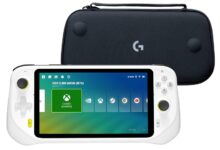
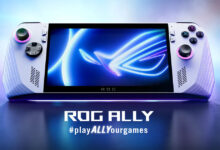
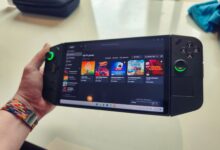
A handheld gaming console is a portable device designed for playing video games on the go. These devices typically have a built-in screen, controls, and game cartridges or digital downloads.
Popular handheld gaming console brands include Nintendo with their Nintendo Switch and Nintendo DS series, Sony with the PlayStation Portable (PSP) and PlayStation Vita, and Sega with the Game Gear.
Key Features of Handheld Gaming Consoles
- Compact and portable design for gaming on the go
- Built-in screen for displaying games
- Integrated controls for gameplay
- Ability to play physical game cartridges or download digital games
- Wireless connectivity for multiplayer gaming or online features
- Long battery life to support extended gaming sessions
History of Handheld Gaming Consoles
The evolution of handheld gaming consoles has been a fascinating journey that has revolutionized the gaming industry.
Significant milestones have shaped the development of handheld gaming consoles, impacting how people experience gaming on the go.
Early Beginnings
Handheld gaming consoles trace their roots back to the late 1970s with the release of the Microvision by Milton Bradley. It was the first handheld device to use interchangeable cartridges, paving the way for future portable gaming systems.
Game Boy Era
The Game Boy, released by Nintendo in 1989, marked a significant milestone in the history of handheld gaming consoles. Its success solidified Nintendo’s dominance in the handheld market and introduced iconic games like Tetris and Pokémon to players worldwide.
Advancements in Technology
Over the years, advancements in technology have led to the development of more powerful handheld consoles with features like color screens, touch controls, and online connectivity. The introduction of the Nintendo DS and Sony’s PlayStation Portable (PSP) brought a new level of gaming experience to handheld devices.
Impact on the Gaming Industry
Handheld gaming consoles have had a profound impact on the gaming industry by expanding the reach of gaming to a wider audience. They have provided a platform for innovative game development and have influenced the design of games tailored for on-the-go play.
Hardware Specifications Comparison
When it comes to handheld gaming consoles, the hardware specifications play a crucial role in determining the performance and overall gaming experience. Let’s compare the key hardware specifications of different handheld gaming consoles to understand how they impact gameplay.
Nintendo Switch
| Specification | Nintendo Switch |
|---|---|
| Processor | NVIDIA Custom Tegra processor |
| RAM | 4GB |
| Storage | 32GB, expandable via microSD |
Sony PlayStation Vita
| Specification | Sony PlayStation Vita |
|---|---|
| Processor | ARM Cortex-A9 core |
| RAM | 512MB |
| Storage | 4GB, expandable via proprietary memory cards |
Nintendo 3DS
| Specification | Nintendo 3DS |
|---|---|
| Processor | Dual ARM processors |
| RAM | 128MB |
| Storage | 1GB SD card included, expandable via SD cards |
Importance of Hardware Specifications
The hardware specifications of a handheld gaming console directly impact its performance capabilities. A powerful processor and sufficient RAM can handle complex games with ease, while ample storage allows for a larger library of games and multimedia content.
Impact on Gameplay Experience
The differences in hardware specifications among handheld gaming consoles can significantly affect the gameplay experience. Consoles with higher-end processors and more RAM tend to deliver smoother graphics, faster loading times, and better overall performance, enhancing the gaming experience for users. On the other hand, consoles with limited hardware may struggle to run demanding games smoothly, leading to lower frame rates and potential lag issues.
Game Library and Exclusive Titles
When choosing a handheld gaming console, one crucial factor to consider is the game library and the exclusive titles available on each device. The variety and quality of games can greatly impact the overall gaming experience and satisfaction of the users.
Game Libraries Comparison
- Nintendo Switch: The Nintendo Switch boasts a diverse game library with a mix of first-party titles like Super Mario Odyssey, The Legend of Zelda: Breath of the Wild, and Animal Crossing: New Horizons, as well as third-party and indie games.
- Sony PlayStation Vita: The PlayStation Vita has a strong library of games, including popular titles such as Persona 4 Golden, Uncharted: Golden Abyss, and Gravity Rush.
- Nintendo 3DS: The Nintendo 3DS offers a wide range of games catering to different audiences, including iconic franchises like Pokemon, The Legend of Zelda, and Fire Emblem.
Exclusive Titles
- Nintendo Switch: Exclusive titles for the Nintendo Switch include games like Super Mario Odyssey, The Legend of Zelda: Breath of the Wild, and Splatoon 2, which can only be played on this platform.
- Sony PlayStation Vita: Exclusive titles for the PlayStation Vita include Persona 4 Golden, Gravity Rush, and Killzone: Mercenary, offering unique gaming experiences for Vita owners.
- Nintendo 3DS: Exclusive titles for the Nintendo 3DS include Pokemon Sun and Moon, Fire Emblem Awakening, and The Legend of Zelda: A Link Between Worlds, providing compelling reasons to choose this handheld console.
Significance of Game Selection
The game selection plays a vital role in choosing a handheld gaming console as it determines the type of gaming experiences users can enjoy. Exclusive titles often serve as system sellers, attracting gamers who are fans of specific franchises or genres. A diverse game library with a mix of first-party, third-party, and indie titles ensures that users have a wide range of options to choose from, catering to different preferences and tastes. Ultimately, the game selection can greatly influence the overall appeal and success of a handheld gaming console in the market.
Display and Graphics Comparison
In the world of handheld gaming consoles, display quality and graphics play a crucial role in enhancing the overall gaming experience. Let’s dive into a detailed comparison of display types and graphics capabilities across various devices.
Display Types
When it comes to display types, handheld gaming consoles primarily use LCD (Liquid Crystal Display) or OLED (Organic Light-Emitting Diode) screens. LCD screens are known for their cost-effectiveness and good color reproduction, while OLED screens offer deeper blacks, higher contrast ratios, and better energy efficiency. The choice between the two often comes down to personal preference and budget constraints.
Graphics Capabilities
The graphics capabilities of handheld gaming consoles vary significantly based on the device’s hardware specifications. Consoles like the Nintendo Switch boast impressive graphics performance, allowing for high-quality visuals and smooth gameplay. On the other hand, older devices may struggle to render complex graphics and may have lower frame rates.
Impact on Gaming Experience
The display quality and graphics of a handheld gaming console can greatly impact the overall gaming experience. Crisp visuals, vibrant colors, and smooth animations can immerse players in the game world and enhance gameplay. On the contrary, poor display quality or limited graphics capabilities may result in a less engaging experience, affecting player enjoyment and immersion.
Battery Life and Portability
When it comes to handheld gaming consoles, battery life and portability are crucial factors to consider for gamers on the go. Let’s delve into the details of battery life and portability in handheld gaming consoles.
Battery Life Comparison
- One of the key factors to consider when choosing a handheld gaming console is the battery life. Different consoles offer varying battery life durations, ranging from a few hours to several hours of gameplay.
- The Nintendo Switch, for example, offers approximately 4.5 to 9 hours of battery life, depending on the intensity of the game being played. On the other hand, the PlayStation Vita provides around 3 to 5 hours of gameplay on a single charge.
- It is essential to take into account the type of games you play and your gaming habits to choose a handheld console with a battery life that suits your needs.
Portability Aspect
- Handheld gaming consoles are designed to be portable, allowing gamers to enjoy their favorite games anytime, anywhere. The compact size and lightweight nature of these consoles make them easy to carry around.
- Portability also extends to the ease of use and convenience of handheld consoles. With their built-in screens and controls, gamers can immerse themselves in gaming without the need for additional accessories or setups.
- Furthermore, the portability of handheld consoles makes them ideal for travel, commutes, or simply gaming on the couch without being tied down to a TV or monitor.
Maximizing Battery Life
- To maximize the battery life of your handheld gaming console, consider adjusting the screen brightness and volume settings to optimal levels. Lower brightness and volume can help conserve battery power for longer gaming sessions.
- Turning off unnecessary features such as Wi-Fi or Bluetooth when not in use can also contribute to preserving battery life. These features consume additional power that could be saved for gaming.
- Investing in a portable power bank or carrying a charger with you can be helpful for extended gaming sessions on the go. This way, you can recharge your console whenever needed to continue playing without interruptions.
Online Connectivity and Multiplayer Features
Online connectivity and multiplayer features play a crucial role in enhancing the gaming experience on handheld consoles. Let’s delve into the various aspects of online connectivity and multiplayer capabilities offered by these devices.
Online Connectivity Options
When it comes to online connectivity, handheld gaming consoles typically offer options such as Wi-Fi and Bluetooth. Wi-Fi enables players to connect to the internet for online gaming, downloading updates, and accessing digital content. On the other hand, Bluetooth allows for wireless connectivity with other devices like headphones and controllers.
Multiplayer Features
Handheld gaming consoles provide a range of multiplayer features to cater to different gaming preferences. Players can engage in online gaming with friends and individuals worldwide, compete in multiplayer matches, and collaborate in team-based gameplay. Additionally, local multiplayer allows for connecting with nearby players for face-to-face gaming experiences. Cross-platform play enables gamers on different devices to play together, fostering a more inclusive gaming community.
Importance of Online Connectivity
In the modern gaming landscape, online connectivity has become essential for staying connected with the gaming community, accessing new content, and engaging in multiplayer experiences. It allows players to compete globally, interact with fellow gamers, and participate in online events and tournaments. The seamless integration of online features enhances the overall gaming experience and keeps players connected in a digital world.
Accessories and Customization Options
When it comes to handheld gaming consoles, accessories and customization options play a crucial role in enhancing the overall gaming experience. These add-ons not only provide protection but also allow users to personalize their devices according to their preferences.
Available Accessories
- Protective Cases: Protective cases are essential accessories that safeguard handheld consoles from bumps, scratches, and accidental drops. They come in a variety of materials, designs, and colors to suit different tastes.
- Grips: Grips are ergonomic attachments that improve the comfort and handling of handheld consoles during extended gaming sessions. They help reduce hand fatigue and provide a better grip for precise control.
- Screen Protectors: Screen protectors are transparent films that shield the display of handheld consoles from scratches, smudges, and dust. They maintain the screen’s clarity and touch sensitivity.
Customization Options
- Skins and Decals: Skins and decals are adhesive covers that allow users to customize the look of their handheld consoles. They come in a wide range of designs, patterns, and themes, enabling gamers to personalize their devices with their favorite characters or colors.
- Limited-Edition Designs: Some handheld consoles offer limited-edition designs that feature exclusive colors, artwork, or engravings. These special editions cater to collectors and enthusiasts looking for unique and rare gaming devices.
Enhancing Gaming Experience
Accessories and customization options not only add a touch of personalization but also contribute to the overall gaming experience on handheld consoles. By adding grips for better control, protective cases for durability, or unique skins for individuality, gamers can make their gaming sessions more comfortable, stylish, and enjoyable.
Price Comparison and Value for Money
When it comes to purchasing a handheld gaming console, the price and the value for money it offers are crucial factors to consider. In this section, we will compare the prices of different handheld gaming consoles and evaluate the value they provide in terms of features and performance.
Price Comparison Table
| Handheld Console | Price |
|---|---|
| Nintendo Switch | $299 |
| Sony PlayStation Vita | $199 |
| Nintendo 3DS | $149 |
| Sega Genesis Nomad | $200 |
Value for Money Evaluation
When determining the best value for a handheld gaming console purchase, it is essential to consider various factors:
- Hardware Specifications: Compare the processing power, memory, and storage capacity to ensure you get the best performance for the price.
- Game Library: Check the available games and exclusive titles to see if the console offers a diverse and appealing selection.
- Display and Graphics: Evaluate the screen quality and graphics capabilities for an immersive gaming experience.
- Battery Life and Portability: Consider the battery life and portability of the console to ensure you can enjoy gaming on the go.
- Online Connectivity and Multiplayer Features: Look for consoles with robust online capabilities and multiplayer options for added value.
- Accessories and Customization Options: Assess the availability of accessories and customization options to enhance your gaming experience.
User Experience and Ergonomics
When it comes to handheld gaming consoles, user experience and ergonomics play a crucial role in determining the overall satisfaction and comfort of the gaming sessions. Let’s delve into the aspects that contribute to a positive gaming experience on handheld devices.
User Interface and Controls
The user interface and control layout of a handheld gaming console greatly impact the overall user experience. Intuitive and responsive controls, along with a user-friendly interface, can enhance gameplay and make navigation smoother.
Comfort and Design
The ergonomics of a handheld console, including the shape, weight, and button placement, are essential for long gaming sessions. A well-designed console that fits comfortably in the hands can prevent fatigue and discomfort during extended use.
Screen Size and Visibility
The screen size and display quality of a handheld device significantly affect the gaming experience. A larger, high-resolution screen with good visibility in various lighting conditions can enhance immersion and enjoyment while playing games.
Sound Quality and Audio Features
Good sound quality and immersive audio features can elevate the gaming experience on handheld consoles. Clear, crisp audio and the option for headphones can enhance gameplay and make it more engaging.
Tips for Maintaining Hand Health
- Avoid gripping the console too tightly to prevent hand strain.
- Take breaks during gaming sessions to stretch and relax your hands.
- Adjust the screen brightness to reduce eye strain and fatigue.
- Use accessories like grips or stands to improve comfort and ergonomics.
Final Review
Concluding our discussion on handheld gaming console comparison, it’s clear that these devices offer a diverse range of features and gaming experiences, catering to different preferences and needs of gamers.

Bryan Felizie is a seasoned digital content writer and researcher with a strong passion for delivering insightful, reliable, and well-researched articles across a wide range of topics on Tanelly.com. With years of experience in online publishing, Bryan has consistently focused on producing high-quality content that not only engages readers, but also provides real value and practical knowledge.
More About Bryan Felizie : https://tanelly.com/author-profile/