Best Handheld Gaming Device 2026: Unveiling The Future Of Portable Gaming
Best handheld gaming device 2026 sets the stage for this enthralling narrative, offering readers a glimpse into a story that is rich in detail and brimming with originality from the outset. The evolution of handheld gaming devices, latest technologies, and future innovations await exploration in this comprehensive guide.
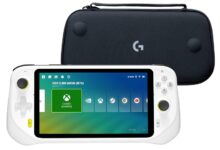
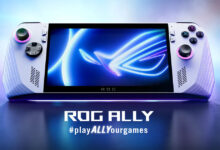

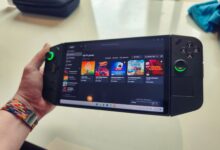
Introduction to Handheld Gaming Devices
A handheld gaming device is a portable electronic device specifically designed for playing video games on the go. These devices typically include a built-in screen, controls, and speakers, allowing users to enjoy gaming experiences without the need for a separate display or console.
Over the years, handheld gaming devices have evolved significantly in terms of technology, design, and capabilities. From simple monochromatic screens and basic controls to high-definition displays, touchscreens, motion sensors, and online connectivity, modern handheld gaming devices offer a wide range of features and functionalities.
Evolution of Handheld Gaming Devices
Handheld gaming devices have come a long way since the introduction of the Game Boy by Nintendo in 1989. The Game Boy revolutionized portable gaming with its compact size, long battery life, and a library of popular games. Subsequent generations of handheld devices, such as the Nintendo DS and Sony PlayStation Portable, continued to push the boundaries of portable gaming with innovative features and enhanced graphics.
Importance in the Gaming Industry
Handheld gaming devices play a crucial role in the gaming industry by providing a convenient and accessible way for gamers to enjoy their favorite titles anywhere, anytime. These devices cater to a wide range of audiences, from casual gamers to hardcore enthusiasts, offering a diverse selection of games and experiences.
Comparison to Other Gaming Platforms
- Handheld gaming devices offer portability and convenience that traditional gaming consoles lack, allowing users to play games on the move.
- While handheld devices may not always match the performance or graphical capabilities of home consoles or gaming PCs, they provide a unique gaming experience tailored for on-the-go play.
- Mobile phones and tablets have emerged as popular alternatives to dedicated handheld gaming devices, blurring the lines between traditional gaming platforms and mobile devices.
Current Trends in Handheld Gaming Devices
The gaming industry is constantly evolving, and handheld gaming devices are no exception. Let’s explore the latest trends shaping the world of portable gaming.
Latest Technologies Used in Handheld Gaming Devices
In recent years, handheld gaming devices have seen significant advancements in technology. One of the key technologies driving innovation in this space is augmented reality (AR). AR technology allows players to immerse themselves in a virtual gaming world overlaid on the real world, creating a more interactive and engaging gaming experience. Additionally, devices with powerful processors and high-resolution displays are becoming more common, enabling smoother gameplay and stunning graphics. The integration of cloud gaming services also allows players to access a vast library of games without the need for high-end hardware.
Popular Features Gamers Look for in Handheld Devices
When it comes to handheld gaming devices, gamers are looking for features that enhance their gaming experience. Ergonomic design and comfortable grip are essential for long gaming sessions. Customizable controls, such as programmable buttons and adjustable triggers, give players more flexibility and control over their gameplay. High-quality audio output and immersive sound effects are also crucial for creating a truly immersive gaming experience. Furthermore, features like long battery life, fast charging capabilities, and expandable storage options are highly sought after by gamers on the go.
Impact of Mobile Gaming on Handheld Devices
The rise of mobile gaming has had a significant impact on handheld gaming devices. With smartphones becoming more powerful and capable of running graphically demanding games, the line between dedicated handheld devices and mobile phones is blurring. Many gamers are opting to play games on their smartphones due to convenience and the vast selection of games available on app stores. This shift has forced handheld gaming device manufacturers to innovate and offer unique features that set them apart from smartphones, such as physical controls, exclusive game titles, and superior gaming performance.
Design and Form Factor
When it comes to handheld gaming devices, design and form factor play a crucial role in the overall user experience. An ideal design should strike a balance between aesthetics, functionality, and comfort, creating a device that is visually appealing, easy to use, and comfortable to hold for extended gaming sessions.
Ideal Design for a Handheld Gaming Device
An ideal design for a handheld gaming device would feature a sleek and modern look with a comfortable grip that fits well in the hands. The device should have strategically placed buttons and controls for easy access during gameplay. Additionally, a high-quality display with vibrant colors and sharp resolution is essential for an immersive gaming experience.
Comparison of Different Form Factors
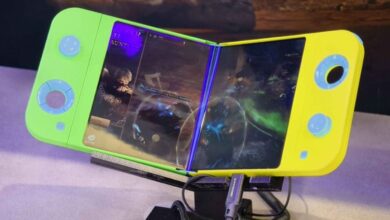
In the market, various form factors are available for handheld gaming devices, ranging from traditional clamshell designs to more compact and portable options. Clamshell designs offer better protection for the screen when not in use, while compact devices are more lightweight and easier to carry around. Each form factor has its own advantages and limitations, catering to different preferences of gamers.
Importance of Ergonomics in Handheld Gaming Device Design
Ergonomics play a crucial role in handheld gaming device design as it directly impacts the comfort and usability of the device. A well-designed device with ergonomic considerations can reduce hand fatigue and prevent discomfort during long gaming sessions. Factors such as button placement, weight distribution, and grip support are all essential aspects of ergonomic design that contribute to an enjoyable gaming experience.
Display and Graphics
In handheld gaming devices, the display and graphics play a crucial role in providing an immersive gaming experience. The quality of the display directly impacts the visuals, clarity, and overall enjoyment of the games.
Display Technologies
Different gaming devices utilize various display technologies to enhance the gaming experience. Some common display technologies include:
- LED: LED displays offer vibrant colors, high contrast ratios, and energy efficiency, making them popular in handheld gaming devices.
- OLED: OLED displays provide deeper blacks, better contrast, and faster response times, resulting in more realistic and immersive visuals.
- AMOLED: AMOLED displays combine the benefits of OLED with active matrix technology for even better picture quality and power efficiency.
Screen Resolution and Refresh Rates
Screen resolution and refresh rates are crucial factors for delivering smooth and crisp visuals during gameplay.
- Screen Resolution: Higher resolutions such as Full HD or 4K offer sharper images and more details, enhancing the overall gaming experience.
- Refresh Rates: Higher refresh rates like 60Hz or 120Hz ensure smoother motion and reduce motion blur, particularly important for fast-paced games.
Performance and Processing Power
In the world of handheld gaming devices, performance and processing power play a crucial role in delivering a seamless gaming experience. Let’s delve into the impact of processors, RAM, and storage capacity on gaming performance.
Role of Processors in Enhancing Gaming Performance
Processors are the powerhouse of any gaming device, responsible for handling complex calculations and executing tasks quickly. In handheld gaming devices, a high-performance processor ensures smooth gameplay, faster loading times, and better graphics rendering. The efficiency of the processor directly impacts the overall gaming experience, influencing frame rates, responsiveness, and multitasking capabilities.
Comparison of Processing Power in Different Handheld Gaming Devices
Handheld gaming devices come equipped with a variety of processors, ranging from entry-level to high-end models. Devices like the Nintendo Switch feature custom-designed processors optimized for gaming, offering excellent performance for exclusive titles. On the other hand, smartphones like the latest iPhone or Android devices incorporate powerful processors capable of running graphically demanding games smoothly. The processing power of each device varies based on the manufacturer, architecture, and technology used, with some devices focusing on energy efficiency while others prioritize raw performance.
Impact of RAM and Storage Capacity on Gaming Experience
In addition to processors, RAM and storage capacity are crucial components that affect gaming performance. RAM plays a vital role in multitasking and loading game assets quickly, ensuring a seamless gaming experience without lags or delays. Devices with higher RAM capacity can handle resource-intensive games and run multiple applications simultaneously. Similarly, storage capacity determines the amount of games, apps, and media files that can be stored on the device. Adequate storage space allows gamers to download and access a wide variety of games without worrying about running out of space. Overall, a balance between processing power, RAM, and storage capacity is essential for an optimal gaming experience on handheld devices.
Battery Life and Charging
The battery life of a handheld gaming device is crucial for uninterrupted gameplay and portability. Advancements in battery technology have led to longer playtimes and more efficient charging options, enhancing the overall gaming experience. Here, we will explore the importance of battery life in handheld gaming devices, discuss advancements in battery technology, and provide tips for maximizing battery life and efficient charging options.
Importance of Battery Life
One of the key factors that determine the usability of a handheld gaming device is its battery life. Gamers rely on their devices to provide long-lasting power to enjoy gaming sessions on the go without constantly needing to recharge. A longer battery life ensures uninterrupted gameplay and enhances the overall gaming experience.
Advancements in Battery Technology
Recent advancements in battery technology have significantly improved the battery life of handheld gaming devices. Lithium-ion batteries, for example, offer higher energy density and longer cycle life, allowing gamers to enjoy extended playtimes without frequent recharges. Moreover, fast-charging technologies such as Quick Charge and USB-C Power Delivery have made it easier and quicker to recharge gaming devices, reducing downtime between gaming sessions.
Tips for Maximizing Battery Life and Efficient Charging
- Avoid leaving your device plugged in after it reaches full charge, as overcharging can reduce battery lifespan.
- Lower the screen brightness and disable unnecessary features like Bluetooth and Wi-Fi to conserve battery power.
- Use a high-quality charger and cable to ensure efficient charging and prevent damage to the battery.
- Consider investing in a portable power bank for extended gaming sessions on the go.
- Update your device’s software regularly to optimize battery performance and efficiency.
Game Library and Compatibility
In the world of handheld gaming devices, the game library and compatibility are crucial factors that determine the overall gaming experience for users. Let’s delve into the significance of a diverse game library, the importance of game compatibility across platforms, and the impact of exclusive titles on sales.
Diverse Game Library
Having a diverse game library is essential for handheld gaming devices as it caters to a wide range of gaming preferences and interests. A diverse game library ensures that users have access to various genres, themes, and gameplay styles, providing them with a more immersive and engaging gaming experience.
- It allows users to explore different types of games, from action-packed adventures to strategic puzzles, enhancing the overall gaming experience.
- A diverse game library also attracts a broader audience, including casual gamers, hardcore gamers, and everyone in between, increasing the appeal of the handheld device.
- Developers often collaborate to create exclusive titles for specific handheld devices, further enriching the game library and offering unique gaming experiences.
Compatibility Across Platforms
Game compatibility across different platforms is becoming increasingly important in the gaming industry, allowing users to access their favorite games across various devices seamlessly. This compatibility enhances the gaming experience and provides more flexibility for gamers.
- Cross-platform compatibility enables users to continue their gaming sessions on different devices, such as smartphones, tablets, and consoles, without losing progress or data.
- It promotes a unified gaming ecosystem, where players can interact with friends and other gamers regardless of the device they are using, enhancing social gaming experiences.
- Developers are focusing on creating games that are compatible with multiple platforms, ensuring that gamers can enjoy their favorite titles wherever they go.
Exclusive Titles and Sales
Exclusive titles play a significant role in driving sales for handheld gaming devices, as they offer unique gaming experiences that cannot be found elsewhere. These exclusive titles are often a key selling point for consumers when choosing a handheld device.
- Exclusive titles create a sense of exclusivity and value for the handheld device, attracting dedicated fans and enthusiasts who want access to these specific games.
- Developers invest in creating exclusive titles to showcase the capabilities and features of the handheld device, leveraging the game’s popularity to boost sales and market presence.
- Exclusive titles also help differentiate one handheld device from another, providing a competitive edge in the market and influencing consumer purchasing decisions.
Online Connectivity and Multiplayer Features
Online connectivity has become a crucial aspect of handheld gaming devices, allowing players to connect with others around the world and access a wide range of online features. Multiplayer gaming has also evolved significantly on handheld devices, offering players the opportunity to compete or cooperate with friends or strangers in real-time.
Significance of Online Connectivity
Online connectivity on handheld gaming devices enables players to engage in multiplayer games, download new content, receive software updates, and interact with a global gaming community. It enhances the overall gaming experience by providing access to a vast library of games, social features, and online competitions.
- Allows players to challenge friends or strangers in multiplayer games.
- Enables cross-platform play, connecting players on different devices.
- Facilitates online tournaments and events for competitive gaming.
- Provides access to cloud saves and online storage for game data.
Multiplayer Features on Handheld Devices
Handheld gaming devices offer a variety of multiplayer features to cater to different gaming preferences and styles. From local multiplayer modes to online matchmaking, players can choose how they want to engage with others in the gaming community.
- Local multiplayer options for playing with friends in the same room.
- Online matchmaking to connect with players worldwide for competitive matches.
- Cooperative gameplay modes for teaming up with others to achieve common goals.
- Voice chat and messaging functionalities to communicate with other players during gameplay.
Comparison of Online Gaming Experiences
Different handheld gaming devices offer varying online gaming experiences, depending on factors such as network stability, community size, and available features. Players may prefer one device over another based on their online gaming needs and preferences.
- Nintendo Switch: Known for its robust online service and exclusive multiplayer titles.
- Sony PlayStation Vita: Offers a diverse range of multiplayer games and cross-platform play options.
- Mobile Devices: Provide a wide selection of online multiplayer games and social features.
- Nintendo 3DS: Features local and online multiplayer modes for interactive gameplay experiences.
Accessories and Customization
When it comes to handheld gaming devices, accessories play a crucial role in enhancing the overall gaming experience. From protective cases to specialized controllers, there are a variety of accessories available in the market that cater to different needs and preferences of gamers. Customization options are also becoming increasingly popular, allowing users to personalize their devices to reflect their unique style and preferences.
Popular Accessories for Handheld Gaming Devices
- Protective Cases: Durable cases that offer protection against accidental drops and scratches.
- Screen Protectors: Transparent films that safeguard the screen from dust, fingerprints, and scratches.
- External Controllers: Attachable controllers or Bluetooth controllers that provide a more console-like gaming experience.
- Portable Chargers: Power banks or charging cases to extend the battery life of the device for longer gaming sessions.
- Grip Attachments: Ergonomic grips that enhance comfort during gameplay, especially for extended periods.
Trend of Customization Options
- Interchangeable Shells: Devices with replaceable back panels or shells in different colors or designs for personalization.
- Custom Skins: Vinyl decals or skins that adhere to the device’s surface, adding style without bulk.
- Engraving Services: Custom engraving options to add personal messages or designs to the device.
- Exclusive Editions: Limited-edition releases with unique color schemes or themes for collectors and enthusiasts.
Impact of Accessories on Gameplay and User Comfort
- Enhanced Performance: Specialized controllers or grips can improve gameplay precision and comfort for users.
- Personalization: Customization options allow users to express their individuality and make their devices stand out.
- Protection: Accessories like cases and screen protectors safeguard the device from damage, ensuring longevity.
- Extended Playtime: Portable chargers or battery packs enable gamers to play for longer durations without interruptions.
Pricing and Value for Money
When it comes to handheld gaming devices, pricing plays a crucial role in the purchasing decision of consumers. The cost of a device often reflects its features, performance, and overall value for money. Let’s delve into the pricing strategies of different handheld gaming devices and explore the value they offer to consumers.
Premium vs. Budget-Friendly Devices
Premium handheld gaming devices typically come with cutting-edge technology, high-quality materials, and advanced features that cater to serious gamers. These devices are priced higher to reflect their superior performance and build quality. On the other hand, budget-friendly devices offer a more affordable alternative with decent gaming capabilities suitable for casual gamers or those on a tighter budget. While premium devices may offer top-notch graphics, processing power, and exclusive features, budget-friendly devices provide good value for money by balancing performance and affordability.
Long-Term Investment Value
Investing in a handheld gaming device is not just about the initial cost but also the long-term value it provides. Premium devices may offer longevity in terms of performance, durability, and software support, ensuring that they remain relevant for years to come. These devices often receive regular updates, have a strong community of developers, and offer a wide range of accessories to enhance the gaming experience. On the other hand, budget-friendly devices may have a shorter lifespan in terms of performance and software support, but they can still provide great value for consumers looking for a more economical option.
Future Prospects and Innovations
In the rapidly evolving landscape of handheld gaming devices, the future holds exciting possibilities for innovation and advancement. As we look ahead to 2026, several trends and potential game-changing innovations are on the horizon, poised to reshape the handheld gaming industry.
Enhanced Immersive Experiences
With the continued advancements in Augmented Reality (AR) and Virtual Reality (VR) technologies, handheld gaming devices are likely to offer even more immersive and realistic gaming experiences. Players can expect to be fully immersed in their favorite games, blurring the lines between the virtual and physical worlds. This innovation could revolutionize how gamers interact with their games and environments, taking handheld gaming to a whole new level.
Cloud Gaming Integration
The integration of cloud gaming services is another trend that is expected to gain momentum in 2026. This technology allows players to stream games directly to their handheld devices, eliminating the need for high-end hardware and expanding the game library exponentially. With cloud gaming, players can enjoy high-quality, console-like gaming experiences on-the-go, making handheld devices more versatile and powerful than ever before.
Artificial Intelligence and Personalization
Artificial Intelligence (AI) is poised to play a significant role in the future of handheld gaming devices. AI algorithms can analyze player behavior, preferences, and gameplay patterns to personalize the gaming experience. From adaptive difficulty levels to tailored in-game content, AI can enhance player engagement and satisfaction. This level of personalization could transform how players interact with their games, creating a more dynamic and immersive gaming experience.
Sustainability and Eco-Friendly Design
As environmental consciousness continues to grow, the gaming industry is also shifting towards more sustainable and eco-friendly practices. In 2026, handheld gaming devices may prioritize energy efficiency, recyclability, and eco-conscious design. From renewable materials to energy-saving features, sustainability could become a key focus for manufacturers, aligning with the global push towards a greener future.
Seamless Integration with Other Devices
In the coming years, handheld gaming devices are likely to become even more interconnected with other smart devices and technologies. Seamless integration with smartphones, smartwatches, and other gadgets could offer a more cohesive and unified gaming experience. Players may be able to switch between devices seamlessly, continuing their gaming sessions across different platforms without any interruptions.
Last Word
In conclusion, the landscape of handheld gaming devices in 2026 promises exciting advancements and immersive experiences for gamers worldwide. Stay tuned for what the future holds in the world of portable gaming.

Bryan Felizie is a seasoned digital content writer and researcher with a strong passion for delivering insightful, reliable, and well-researched articles across a wide range of topics on Tanelly.com. With years of experience in online publishing, Bryan has consistently focused on producing high-quality content that not only engages readers, but also provides real value and practical knowledge.
More About Bryan Felizie : https://tanelly.com/author-profile/