Global Console Shortage & 2026 Global Prices: Impact Of Chip Crisis And Gaming Industry Inflation
Kicking off with Kelangkaan Konsol & Harga Global 2026: Dampak Krisis Chip dan Inflasi Industri Gaming, this topic delves into the effects of the chip crisis and inflation on the gaming industry, offering insights into the challenges faced by consumers, retailers, and manufacturers alike.
The discussion unfolds by exploring the global console shortage, the causes behind the crisis, the inflation trends in the gaming industry, the effects of the chip crisis on console prices, supply chain disruptions, regional disparities in console availability, shifts in consumer behavior, coping strategies, and the future outlook of the industry.





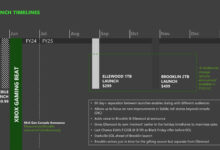
Overview of the Global Console Shortage
The global console shortage has been a significant challenge in the gaming industry, impacting both consumers and retailers alike. This shortage is primarily attributed to multiple factors that have disrupted the supply chain and production of gaming consoles.
Factors Contributing to the Global Console Shortage
- The ongoing crisis in semiconductor chips has heavily impacted the production of gaming consoles, as these chips are crucial components in their manufacturing process.
- Increased demand for gaming consoles, particularly during the COVID-19 pandemic, has put additional strain on the supply chain, leading to shortages.
- Logistical challenges and disruptions in transportation have also played a role in limiting the availability of consoles in the market.
Key Players in the Gaming Industry Affected by the Shortage
- Major gaming console manufacturers such as Sony, Microsoft, and Nintendo have faced challenges in meeting the demand for their products due to the shortage.
- Retailers, both online and brick-and-mortar stores, have experienced difficulties in maintaining stock levels and satisfying customer orders.
- Third-party developers and publishers have also been impacted by the shortage, affecting the release of new games and content for these platforms.
Impact of the Shortage on Consumers and Retailers
- Consumers have been facing longer wait times and inflated prices for gaming consoles due to the limited supply, making it harder for them to access these products.
- Retailers have struggled to keep up with the demand for consoles, leading to missed sales opportunities and potential loss of revenue.
- Scalpers and resellers have taken advantage of the shortage by reselling consoles at exorbitant prices, further exacerbating the situation for genuine consumers.
Causes of the Crisis
The global chip shortage has significantly impacted the production of consoles, leading to widespread shortages and delays in the gaming industry. This crisis has been fueled by several key factors that have disrupted the supply chain and manufacturing processes of console makers.
Reasons behind the Chip Shortage
The chip shortage can be attributed to various factors, including the increased demand for consumer electronics during the COVID-19 pandemic, supply chain disruptions, and geopolitical tensions. The surge in remote work, online learning, and entertainment activities has led to a higher demand for devices that rely on semiconductor chips, such as gaming consoles.
- Supply Chain Disruptions: The pandemic has caused disruptions in the supply chain, affecting the production of semiconductor chips. Factories were forced to shut down or operate at reduced capacity, leading to delays in chip manufacturing.
- Increased Demand: The shift towards remote activities during the pandemic has resulted in a surge in demand for electronic devices, including gaming consoles, which rely heavily on semiconductor chips for their functionality.
- Geopolitical Tensions: Trade disputes and geopolitical tensions have also played a role in the chip shortage, affecting the availability of key components needed for chip production.
Impact on Console Manufacturers
The chip shortage has affected console manufacturers differently, depending on their supply chain strategies and relationships with chip suppliers. Some companies have faced more significant challenges in meeting demand for their products due to the limited availability of semiconductor chips.
- Sony and Microsoft: Companies like Sony and Microsoft, which produce popular gaming consoles like the PlayStation and Xbox, have struggled to keep up with demand due to the chip shortage. This has led to delays in production and shortages of their consoles in the market.
- Nintendo: Nintendo, known for its Switch console, has also faced challenges in securing an adequate supply of chips for its devices. The company has had to adjust its production schedules to cope with the chip shortage.
Impact on Other Industries
The global chip shortage has not only affected the gaming industry but has also impacted various other sectors that rely on semiconductor chips for their products and services.
- Automotive Industry: Car manufacturers have faced production delays and reduced output due to the chip shortage, leading to shortages of new vehicles in the market.
- Consumer Electronics: Companies producing smartphones, laptops, and other electronic devices have also been impacted by the chip shortage, resulting in delays in product launches and shortages in stores.
Inflation in the Gaming Industry
In the gaming industry, inflation trends play a significant role in shaping the pricing of gaming consoles. As costs increase across various aspects of production, including materials, labor, and transportation, gaming companies are faced with the challenge of maintaining competitive pricing while ensuring profitability.
Impact of Inflation on Console Pricing
- With rising inflation, gaming companies often find themselves grappling with higher production costs, which can directly impact the pricing of gaming consoles for consumers.
- Increased costs of components such as processors, memory, and graphics cards due to inflation can lead to higher retail prices for gaming consoles.
- Inflation also affects supply chain logistics, causing delays and additional expenses, further contributing to the overall pricing of gaming consoles.
Strategies to Mitigate Inflation Impact
- Gaming companies may opt to absorb some of the increased costs internally to prevent passing on the full burden to consumers, thus maintaining a competitive edge in the market.
- Strategic partnerships with suppliers and manufacturers can help mitigate the impact of inflation by securing favorable pricing agreements and ensuring a steady supply of components.
- Implementing cost-saving measures such as optimizing production processes, improving efficiency, and exploring alternative sourcing options can also help offset the effects of inflation on console pricing.
Effects of Chip Crisis on Console Prices
The ongoing chip crisis has significantly impacted the pricing of gaming consoles, leading to fluctuations and increases in costs across different market segments. This has created challenges for both consumers and manufacturers as they navigate through the repercussions of the crisis.
Influence on Pricing
- Due to the scarcity of chips, the production costs of gaming consoles have risen, prompting manufacturers to adjust their retail prices accordingly.
- Consumers may experience higher price tags on consoles as manufacturers pass on the increased production costs to maintain profitability.
- Limited supply and high demand for consoles have also contributed to price hikes, creating a more competitive pricing landscape.
Market Segment Reactions
- Enthusiast gamers and early adopters may be more willing to pay the premium prices for consoles to secure the latest technology and gaming experience.
- Casual gamers or budget-conscious consumers might delay their purchases or opt for alternative gaming options due to the inflated console prices.
- Retailers and resellers may take advantage of the situation by marking up prices further, exacerbating the affordability issue for consumers.
Long-Term Implications
- The sustained increase in console prices could impact the accessibility of gaming to a broader audience, potentially limiting the growth of the gaming industry.
- Manufacturers may face challenges in balancing profit margins with consumer demand, leading to strategic decisions on pricing and product offerings in the future.
- The chip crisis highlights the interconnected nature of global supply chains and the vulnerability of industries reliant on semiconductor technology, prompting discussions on diversification and resilience moving forward.
Supply Chain Disruptions and Console Production
Supply chain disruptions have significantly impacted console manufacturing in the gaming industry. The global shortage of semiconductor chips, along with other logistical challenges, has created obstacles for console makers in maintaining their production levels. These disruptions have led to delays in the assembly and distribution of gaming consoles, affecting their availability worldwide.
Challenges Faced by Console Makers
- Shortage of semiconductor chips: The scarcity of critical components has forced console manufacturers to reduce their production capacity.
- Logistical issues: Transportation delays and supply chain bottlenecks have hindered the timely delivery of essential parts for console assembly.
- Increased production costs: To cope with the disruptions, console makers have incurred higher expenses, impacting their overall profitability.
Regional Disparities in Console Availability
Regional differences in console availability have been a significant issue exacerbated by the current chip crisis and supply chain disruptions. This has led to varying levels of impact on different regions, affecting gamers worldwide.
Examples of Regions Most Affected
- In North America, the shortage of gaming consoles has been particularly acute, with high demand and limited supply leading to inflated prices in the secondary market.
- Asia-Pacific countries, such as Japan and South Korea, have also faced challenges in accessing consoles due to production delays and increased competition for limited units.
- Europe has seen similar issues, with some countries experiencing more severe shortages than others, depending on their proximity to manufacturing hubs and distribution networks.
Potential Solutions to Address Regional Disparities
- Collaboration between console manufacturers and regional governments to prioritize distribution based on need and demand can help alleviate shortages in highly affected areas.
- Increasing production capacity and optimizing supply chains to ensure more equitable distribution of consoles across different regions is essential to address disparities in availability.
- Implementing transparent communication channels with retailers and consumers can help manage expectations and prevent panic buying or hoarding, ensuring a more balanced distribution of consoles.
Consumer Behavior Shifts Amidst Shortage
Consumer behavior has significantly shifted in response to the ongoing console shortage caused by the chip crisis and inflation in the gaming industry. As consumers face difficulties in acquiring their desired gaming consoles, various trends and preferences have emerged in the gaming community.
Trend Towards PC Gaming
- Many consumers are turning towards PC gaming as an alternative to traditional console gaming due to the scarcity of consoles.
- PC gaming offers a wide range of customization options and flexibility, attracting gamers who are unable to purchase consoles.
- Increased interest in PC gaming has led to a surge in demand for gaming peripherals and components, driving growth in the PC gaming market.
Rise in Mobile Gaming Popularity
- With the shortage of consoles, there has been a notable increase in mobile gaming as a convenient and accessible gaming option for consumers.
- Mobile games offer a vast selection of free-to-play and premium titles, catering to a diverse audience of gamers.
- The rise in mobile gaming popularity has led to the development of more advanced mobile games and gaming accessories to enhance the gaming experience.
Shift Towards Retro Gaming and Emulation
- Due to the scarcity of current-gen consoles, some consumers are revisiting retro gaming consoles or turning to emulation to play classic games.
- Retro gaming has seen a resurgence in popularity, with many gamers seeking nostalgic experiences from older console generations.
- Emulation software and devices have become popular among gamers looking to access a wide library of retro games on modern platforms.
Strategies for Coping with the Crisis
Amidst the ongoing console shortage crisis, gamers and retailers alike are implementing various strategies to navigate through these challenging times.
Gamers’ Strategies
- Monitor Online Retailers: Keep a close eye on online retailers for restocks and set up alerts for notifications.
- Join Waiting Lists: Many retailers offer waiting lists for consoles, so make sure to sign up to increase your chances of securing a console.
- Explore Second-Hand Markets: Consider purchasing a pre-owned console from reputable sellers or platforms to avoid inflated prices.
- Follow Social Media Updates: Stay updated on social media platforms where retailers often announce restocks or special promotions.
- Consider Alternative Options: Look into gaming PC setups or cloud gaming services as a temporary solution while waiting for consoles to become more available.
Retailers’ Adjustments
- Limiting Purchases: Some retailers are implementing purchase limits per customer to prevent scalping and ensure fair distribution.
- Bundle Deals: Offering bundle deals with accessories or games to incentivize purchases and deter scalpers.
- Subscription Services: Introducing subscription-based services for console rentals or priority access to new stock.
- Enhanced Communication: Improving communication channels with customers to provide real-time updates on stock availability and restocks.
Consumer Tips
- Plan Ahead: Create a game plan and be prepared to act quickly when consoles become available.
- Set Alerts: Use online tools to set up alerts for restocks and announcements from retailers.
- Check Local Stores: Explore local brick-and-mortar stores that may have limited stock available for in-person purchase.
- Patience and Persistence: Understand that securing a console may take time and require patience in monitoring various channels for opportunities.
Future Outlook and Industry Resilience
The gaming industry is expected to undergo significant transformations in the aftermath of the chip crisis and inflation that have impacted console availability and pricing. Industry experts predict a shift towards more sustainable practices, innovative technologies, and enhanced consumer engagement strategies.
Innovations and Changes in the Industry
The recent challenges faced by the gaming industry have accelerated the need for innovation and adaptation. Companies are likely to invest in developing alternative supply chain solutions, such as localized production facilities and diversified sourcing strategies. Additionally, there may be a greater emphasis on digital distribution platforms and cloud gaming services to mitigate the impact of physical product shortages.
Resilience to Supply Chain Disruptions
Despite the challenges posed by the chip crisis and inflation, the gaming industry has demonstrated remarkable resilience. Companies have shown agility in responding to changing market conditions, adjusting production schedules, and exploring new partnerships to ensure continued access to consoles and games. The industry’s ability to adapt to disruptions and implement contingency plans will be crucial in maintaining stability and growth in the future.
Consumer Behavior Shifts
The scarcity of consoles and rising prices have forced consumers to reassess their purchasing decisions and preferences. As a result, there is a growing demand for more affordable gaming options, subscription-based services, and digital content. Companies that can effectively cater to these evolving consumer needs are likely to thrive in the post-crisis landscape.
Potential for Industry Growth
While the chip crisis and inflation have presented significant challenges, they have also created opportunities for growth and innovation within the gaming industry. Companies that can leverage these challenges to drive positive change, enhance operational efficiency, and foster stronger customer relationships are poised to emerge stronger and more resilient in the years to come.
Closure
Wrapping up the conversation on Kelangkaan Konsol & Harga Global 2026: Dampak Krisis Chip dan Inflasi Industri Gaming, it becomes evident that the gaming industry is navigating through challenging times, but with resilience and innovative strategies, it aims to overcome the obstacles posed by the current crisis.

Bryan Felizie is a seasoned digital content writer and researcher with a strong passion for delivering insightful, reliable, and well-researched articles across a wide range of topics on Tanelly.com. With years of experience in online publishing, Bryan has consistently focused on producing high-quality content that not only engages readers, but also provides real value and practical knowledge.
More About Bryan Felizie : https://tanelly.com/author-profile/