Handheld Console Battery Life Comparison: A Comprehensive Analysis
Handheld console battery life comparison sets the stage for this enthralling narrative, offering readers a glimpse into a story that is rich in detail and brimming with originality from the outset. As we delve into the intricacies of battery life in handheld consoles, a world of fascinating insights awaits.
Exploring the factors influencing battery longevity, comparing different handheld consoles, and understanding the trade-offs between performance and battery life will provide a holistic view of this crucial aspect of gaming devices.

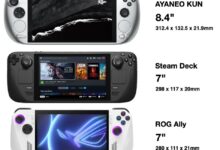
Overview of Handheld Console Battery Life
Handheld console battery life refers to the amount of time a portable gaming device can operate on a single charge. It is a crucial factor for gamers who rely on these devices for entertainment on the go.
Factors Affecting Battery Life in Handheld Consoles
- Screen brightness and resolution
- Processing power and graphics capabilities
- Internet connectivity and online gameplay
- Usage of additional features like vibration or motion controls
- Battery capacity and age of the battery
Comparison of Battery Life in Different Handheld Consoles
Here is a comparison of the battery life of popular handheld consoles currently available in the market:
| Handheld Console | Battery Life |
|---|---|
| Nintendo Switch | 3 to 9 hours |
| Sony PlayStation Vita | 3 to 5 hours |
| Nintendo 3DS | 3 to 7 hours |
Importance of Battery Life in Handheld Gaming Devices
- Extended battery life allows gamers to enjoy uninterrupted gameplay sessions without the need for frequent recharging.
- Longer battery life enhances the portability of handheld consoles, making them ideal for travel and on-the-go entertainment.
- Improvements in battery technology can lead to enhanced overall user experience and satisfaction with the gaming device.
Battery Technologies Used in Handheld Consoles
Handheld consoles rely on various battery technologies to power their gaming experiences. Understanding the types of batteries used can provide insights into the overall battery life and performance of these devices.
Lithium-Ion Batteries
Lithium-ion batteries are the most common type used in modern handheld consoles due to their high energy density and lightweight properties. These batteries offer a good balance between performance and size, making them ideal for portable gaming devices.
Nickel-Metal Hydride Batteries
Nickel-Metal Hydride (NiMH) batteries are another type that has been used in handheld consoles. While they are less common nowadays due to their lower energy density compared to lithium-ion batteries, NiMH batteries are known for their lower environmental impact and cost-effectiveness.
Other Battery Types
Some older handheld consoles may still use Nickel-Cadmium (NiCd) batteries, but these are becoming obsolete due to their lower energy capacity and environmental concerns. Additionally, newer technologies like Lithium-Polymer (LiPo) batteries are emerging as a more advanced alternative for handheld gaming devices.
Impact on Battery Life
The type of battery technology used in a handheld console directly affects its battery life. Lithium-ion batteries typically offer longer playtime compared to NiMH or NiCd batteries due to their higher energy density. However, advancements in battery technology continue to improve overall battery life across all types of handheld consoles.
Examples of Handheld Consoles
| Handheld Console | Battery Technology |
|---|---|
| Nintendo Switch | Lithium-Ion |
| PlayStation Vita | Lithium-Ion |
| Nintendo 3DS | Nickel-Metal Hydride |
Battery Life Optimization Techniques
Manufacturers employ various techniques to optimize battery life in handheld consoles, ensuring users can enjoy extended gaming sessions without constantly recharging. These techniques not only enhance user experience but also contribute to the overall efficiency of the device.
Power-Saving Features
- Low Power Modes: Handheld consoles often include low power modes that reduce energy consumption when the device is not in active use. This can involve dimming the screen, reducing processor speed, or limiting background tasks.
- Optimized Hardware: Manufacturers design hardware components to be energy-efficient, such as using low-power processors and displays that consume less battery while maintaining performance.
- Battery Management Systems: Advanced battery management systems help regulate power usage, prevent overcharging, and optimize battery cycles for prolonged lifespan.
Impact of Settings and Usage
- Screen Brightness: Higher screen brightness levels significantly impact battery life. Users can extend battery longevity by adjusting brightness settings to lower levels, especially in well-lit environments.
- Connectivity Settings: Features like Wi-Fi, Bluetooth, and location services consume additional power. Disabling these settings when not needed can conserve battery power effectively.
- Gaming Intensity: The complexity and graphics intensity of games can influence battery drain. Playing less demanding games or reducing graphical settings can help preserve battery life during gameplay.
Tips for Users
- Enable Power-Saving Mode: Many handheld consoles offer power-saving modes that automatically adjust settings to conserve battery. Activating this mode can significantly extend gaming sessions.
- Regularly Charge and Maintain Battery: Properly charging and maintaining the battery of the handheld console can ensure optimal performance and longevity. Avoid overcharging or letting the battery drain completely.
- Carry External Battery Packs: For extended gaming sessions on the go, users can invest in portable external battery packs to recharge their handheld console when away from power sources.
Performance vs. Battery Life Trade-off
In the realm of handheld consoles, one of the key considerations for users is the trade-off between performance and battery life. As handheld consoles strive to offer impressive graphics and processing power, users often find themselves grappling with the dilemma of sacrificing performance for longer battery life or vice versa.
Impact of Higher Graphical Settings and Processing Power
When handheld consoles are pushed to deliver higher graphical settings and increased processing power, the demand on the battery naturally escalates. The power-hungry components required to render detailed graphics and run complex games can significantly drain the battery at a faster rate. As a result, users may experience shorter playtimes on a single charge when opting for maximum performance settings.
- Higher graphical settings and increased processing power lead to greater battery drain.
- Complex games that require intensive rendering and computations can put a strain on the battery.
- Users may notice a decrease in battery life when pushing their handheld consoles to the performance limits.
Balancing Performance Needs with Battery Life Expectations
Finding the right balance between performance needs and battery life expectations is crucial for handheld console users. By adjusting graphical settings, optimizing game settings, and managing background processes, users can extend the battery life of their devices while still enjoying a satisfactory gaming experience.
- Users can tweak graphical settings to find a balance between visual quality and battery consumption.
- Optimizing in-game settings such as frame rate and resolution can help prolong battery life.
- Closing background apps and reducing screen brightness can contribute to longer playtimes on a single charge.
Manufacturer Strategies to Address the Dilemma
Manufacturers of handheld consoles are constantly innovating to tackle the performance vs. battery life dilemma. Through advancements in battery technologies, power management systems, and optimization algorithms, manufacturers aim to offer devices that strike a harmonious balance between performance capabilities and battery efficiency.
- Integration of more efficient battery technologies to enhance battery life without compromising performance.
- Implementing intelligent power management systems to regulate energy consumption based on user activity and system requirements.
- Developing optimization algorithms that dynamically adjust performance settings to maximize battery longevity during gameplay.
Impact of Game Genre on Battery Life
When it comes to handheld console gaming, the type of game being played can significantly affect the battery life of the device. Different game genres have varying levels of demand on the hardware, leading to differences in power consumption. Let’s explore how various game genres impact battery life and what strategies developers can employ to optimize battery efficiency.
Action Games
Action games typically involve fast-paced gameplay, high-quality graphics, and intense sound effects, all of which can drain the battery quickly. The constant movement and action on the screen require a lot of processing power, leading to increased power consumption. Examples of action games known for draining battery life include “Fortnite” and “Call of Duty Mobile.”
Adventure Games
Adventure games often focus on storytelling, exploration, and puzzle-solving, which may not be as demanding on the hardware compared to action games. While they can still have immersive graphics and sound effects, the slower pace of gameplay generally results in better battery efficiency. Games like “Legend of Zelda: Breath of the Wild” are known for their ability to conserve battery life.
Puzzle Games
Puzzle games usually have simple graphics and gameplay mechanics, making them less taxing on the device’s resources. As a result, puzzle games are generally more battery-friendly compared to action or adventure games. Titles like “Candy Crush” and “Sudoku” are examples of games that are gentle on battery consumption.
Strategy Games
Strategy games require careful planning and decision-making, often involving complex simulations and calculations in the background. While they may not be as graphically intensive as action games, the strategic depth can still impact battery life. Games like “Civilization VI” and “XCOM: Enemy Unknown” are known for their moderate battery consumption.
User Habits and Battery Consumption
Understanding how user habits impact battery consumption is essential for maximizing the battery life of handheld consoles. Factors such as gaming duration, charging patterns, background apps, notifications, and multitasking can all influence how quickly a device’s battery drains.
Gaming Duration and Charging Patterns
Long gaming sessions without breaks can significantly drain the battery of a handheld console. Frequent charging without allowing the battery to drain completely can also reduce the overall battery life over time.
Impact of Background Apps, Notifications, and Multitasking
Having multiple background apps running, receiving constant notifications, and multitasking while gaming can increase battery consumption. It is important to close unnecessary apps and reduce notifications to extend battery life.
Battery Usage Patterns of Casual Gamers vs. Hardcore Gamers
Casual gamers who play in shorter sessions may experience longer battery life compared to hardcore gamers who engage in extended gaming sessions. Hardcore gamers tend to push the device to its limits, resulting in faster battery drain.
Recommendations for Improved Battery Performance
- Avoid long gaming sessions without breaks to give the battery time to rest.
- Charge the handheld console when the battery is low and avoid frequent top-ups.
- Limit background apps, notifications, and multitasking while gaming to conserve battery power.
- Adjust display brightness and volume settings to optimize battery usage.
Impact of Screen Size and Resolution on Battery Life
Screen size and resolution play a significant role in determining the battery life of handheld consoles. Let’s explore how these factors affect the overall performance and efficiency of the device.
Screen Size and Battery Consumption
Different screen sizes require varying amounts of power to operate, with larger screens generally consuming more battery life compared to smaller screens. The bigger the screen, the more energy is needed to illuminate and display content, leading to increased power consumption. This means that handheld consoles with larger screens may have shorter battery life compared to those with smaller screens.
Screen Resolution and Battery Efficiency
Screen resolution also impacts battery efficiency, as higher resolution displays require more processing power and backlight intensity to render sharp and detailed images. Devices with higher resolution screens tend to drain the battery faster than those with lower resolution screens. The type of screen technology used, such as LCD or OLED, can also influence battery consumption. OLED screens are known for their energy efficiency as they only light up pixels that are in use, unlike LCD screens which require a constant backlight.
Optimizing Screen Settings for Better Battery Performance
Users can optimize their handheld console’s screen settings to improve battery performance. Adjusting brightness levels, reducing screen timeout duration, and enabling power-saving modes can help conserve battery life. Choosing a lower resolution or turning off unnecessary visual effects can also contribute to extending the device’s battery longevity. It’s essential for users to find a balance between screen quality and battery consumption to maximize their gaming experience on the go.
Battery Life Testing Methods
When it comes to testing the battery life of handheld consoles, there are standard methods that are commonly used in the industry. These methods help manufacturers and consumers alike to understand how long a device can last on a single charge.
Standard Testing Procedures
- One common method is to run a continuous video playback test on the handheld console until the battery is fully depleted. This test helps simulate real-world media consumption scenarios.
- Another method involves running a series of benchmarking tests that stress the device’s CPU and GPU to measure the impact on battery life under heavy usage.
Comparison of Testing Methodologies
- Lab-based testing is often more controlled and precise, providing accurate data on battery life under specific conditions. However, real-world usage can vary significantly from these controlled environments.
- Field testing, on the other hand, involves using the handheld console in various everyday scenarios to gauge how battery life holds up in practical situations. While this method may not be as precise, it offers insights into real-world performance.
Challenges in Battery Life Measurement
- One of the main challenges in accurately measuring battery life is the variability in user habits and usage patterns. Individuals may use their devices differently, leading to different battery consumption rates.
- Additionally, factors such as network connectivity, screen brightness, and background apps can all impact battery life, making it challenging to create standardized testing conditions.
Future Trends in Handheld Console Battery Life
Advancements in battery technology have the potential to significantly impact the future designs of handheld consoles. Manufacturers are constantly exploring new innovations to revolutionize battery life in gaming devices, aiming to provide longer playtimes for users without compromising performance.
Impact of Fast Charging Technology
- Fast charging technologies, such as Qualcomm’s Quick Charge and USB Power Delivery, are becoming more prevalent in mobile devices. These advancements could lead to shorter charging times for handheld consoles, allowing gamers to get back to playing sooner.
- With faster charging speeds, users may be able to top up their device’s battery during short breaks or downtime, ensuring uninterrupted gaming sessions.
Potential of Graphene Batteries
- Graphene batteries are being touted as the next big innovation in battery technology due to their high energy density and fast charging capabilities.
- If graphene batteries become commercially viable for mass production, handheld console manufacturers could integrate them into their devices to significantly improve battery life and reduce charging times.
Enhancements in Battery Management Systems
- Manufacturers are likely to invest in developing more sophisticated battery management systems to optimize power consumption and prolong battery life in handheld consoles.
- Advanced power-saving features, intelligent battery usage algorithms, and real-time monitoring of battery health could all contribute to longer playtimes on a single charge.
Integration of Energy-Efficient Components
- Future handheld consoles may incorporate energy-efficient components, including low-power processors and displays, to reduce overall power consumption and extend battery life.
- By prioritizing energy efficiency in hardware design, manufacturers can strike a balance between performance and battery longevity for an improved gaming experience.
Closing Notes
In conclusion, the discussion on handheld console battery life comparison sheds light on the importance of optimizing battery performance, balancing user habits, and anticipating future trends in battery technology. By considering all these aspects, users can make informed decisions to enhance their gaming experiences.

Bryan Felizie is a seasoned digital content writer and researcher with a strong passion for delivering insightful, reliable, and well-researched articles across a wide range of topics on Tanelly.com. With years of experience in online publishing, Bryan has consistently focused on producing high-quality content that not only engages readers, but also provides real value and practical knowledge.
More About Bryan Felizie : https://tanelly.com/author-profile/