Latest Gaming Console Graphics Performance: A Comprehensive Analysis
The latest gaming console graphics performance sets the stage for an in-depth exploration of how visual quality impacts gaming experiences, from past advancements to future trends.
As we delve into the evolution of graphics in gaming consoles, hardware components, software enhancements, benchmarking, resolution, frame rates, rendering techniques, platform comparisons, and future trends will all be thoroughly examined.





Overview of Gaming Console Graphics Performance
Graphics performance plays a crucial role in the overall gaming experience on consoles. It determines the visual quality, realism, and immersion that players can enjoy while playing their favorite games.
Advancements in graphics technology have a direct impact on gaming experiences by allowing for more detailed environments, realistic character animations, and stunning visual effects. As graphics capabilities improve, game developers can create more visually captivating worlds for players to explore.
Role of Graphics Processing Units (GPUs)
Graphics Processing Units (GPUs) are at the heart of enhancing visual quality on gaming consoles. These specialized processors are designed to handle complex graphical calculations and render images at high speeds, ensuring smooth gameplay and lifelike graphics.
Evolution of Graphics in Gaming Consoles
Graphics in gaming consoles have come a long way since the early days of pixelated graphics and simple shapes. Technological advancements have continuously pushed the boundaries of what is possible, resulting in stunning visual experiences for gamers.
Advancements in Graphics Technology
- The introduction of 3D graphics: One of the major milestones in gaming console graphics was the shift from 2D to 3D graphics, allowing for more immersive and realistic game worlds.
- Increased resolution and detail: With each new console generation, graphics have seen improvements in resolution, detail, and textures, leading to sharper and more lifelike visuals.
- Enhanced lighting and shading effects: Technologies like ray tracing have revolutionized graphics by providing realistic lighting and shadow effects, adding depth and realism to games.
- High frame rates and smooth animations: Modern consoles are capable of delivering high frame rates and smooth animations, resulting in fluid gameplay and visually stunning experiences.
Comparison Across Generations
- Current-generation consoles like the PlayStation 5 and Xbox Series X/S offer unparalleled graphics performance, with support for 4K resolution, ray tracing, and high frame rates.
- Previous generations like the PlayStation 4 and Xbox One also delivered impressive graphics for their time, but fall short in comparison to the latest consoles in terms of visual fidelity and performance.
- Early consoles like the Nintendo Entertainment System (NES) and Sega Genesis paved the way for modern graphics in gaming, showcasing the evolution of technology over the years.
Hardware Components Affecting Graphics Performance
When it comes to determining graphics performance in gaming consoles, certain hardware components play a crucial role in delivering high-quality visual experiences. Factors such as GPU architecture, memory bandwidth, and processing power significantly influence the graphical output that gamers see on their screens. Optimizing these hardware configurations is essential for achieving the best possible graphics in gaming.
GPU Architecture
GPU architecture refers to the design and capabilities of the graphics processing unit within a gaming console. The efficiency and performance of the GPU directly impact the rendering of images, textures, and visual effects in games. A well-designed GPU architecture with advanced features and capabilities can enhance the overall graphics quality and realism of gaming experiences.
Memory Bandwidth
Memory bandwidth plays a critical role in graphics performance by determining how quickly the GPU can access and process data stored in memory. Higher memory bandwidth allows for faster data transfer and rendering of complex graphics, resulting in smoother gameplay and sharper visuals. Optimizing memory bandwidth ensures that the GPU can efficiently handle the demands of modern games with high-resolution textures and detailed environments.
Processing Power
The processing power of a gaming console’s hardware components, including the CPU and GPU, directly impacts graphics performance. Higher processing power allows for faster calculations, rendering, and overall performance in games. By optimizing processing power through efficient hardware configurations, gaming consoles can deliver stunning graphics with realistic lighting, shadows, and visual effects that enhance the immersive gaming experience.
Software Enhancements for Graphics Improvement
Software optimizations play a crucial role in enhancing graphics performance on gaming consoles. By leveraging drivers, firmware updates, and game optimization techniques, developers can maximize the graphical capabilities of these consoles, resulting in better overall gaming experiences.
Role of Drivers in Graphics Enhancement
Drivers act as the intermediary between the hardware components of a gaming console and the software applications running on it. Regular driver updates can optimize the performance of the hardware, ensuring that games run smoothly and efficiently. For example, NVIDIA and AMD frequently release driver updates that improve graphics rendering, stability, and compatibility with new game releases.
Firmware Updates for Graphics Improvement
Firmware updates are essential for keeping the operating system of a gaming console up to date. These updates often include performance enhancements and bug fixes that directly impact graphics quality. For instance, Sony and Microsoft regularly release firmware updates for their consoles, addressing issues related to graphics rendering, frame rates, and overall system stability.
Game Optimization Techniques for Enhanced Graphics
Game developers employ various optimization techniques to enhance graphics quality on gaming consoles. These techniques may include texture streaming, dynamic resolution scaling, and advanced lighting effects. For example, the implementation of real-time ray tracing in games like Cyberpunk 2077 and Control has significantly improved the visual fidelity and realism of in-game environments.
Benchmarking Graphics Performance
Benchmarking graphics performance is a crucial process in evaluating the visual capabilities of gaming consoles. By running standardized tests and comparing results, developers and users can determine the relative strength of different consoles in handling graphics-intensive tasks.
Popular Benchmarking Tools and Methodologies
- 3DMark: One of the most widely used benchmarking tools that measure the overall graphics performance of a system through various tests like Fire Strike and Time Spy.
- Unigine Superposition: A tool that focuses on testing the stability and performance of GPUs under extreme conditions, providing detailed benchmarking results.
- Game-specific Benchmarks: Some games come with built-in benchmarking tools that allow users to test how well their system can run the game at different settings.
Comparing Benchmark Results Across Consoles
- Resolution and Frame Rate: Benchmark results can reveal the maximum resolution and frame rate that a console can achieve in different games.
- Texture Quality and Lighting Effects: By comparing benchmark results, users can assess the quality of textures and lighting effects rendered by different consoles.
- Overall Performance: Benchmark scores provide an overall performance rating that can help users make informed decisions about which console suits their gaming preferences.
Impact of Resolution and Frame Rates on Graphics
Resolution and frame rates play a crucial role in determining the overall graphics performance of gaming consoles. Let’s delve into how these factors influence the visual quality and gameplay experience.
Significance of High Resolutions and Stable Frame Rates
High resolutions and stable frame rates are essential for creating immersive gaming experiences. A high resolution ensures crisp and detailed visuals, allowing players to enjoy stunning graphics with intricate details. On the other hand, stable frame rates contribute to smooth gameplay, reducing lag and ensuring a seamless gaming experience. Combined, these factors enhance the overall visual fidelity and fluidity of games, making them more engaging for players.
Effect of Resolution and Frame Rate Settings on Graphics
- Resolution: The resolution setting determines the clarity and sharpness of the visuals in games. Higher resolutions result in more detailed graphics, showcasing textures, lighting effects, and character models with greater precision. Lower resolutions, on the other hand, may lead to pixelation and reduced image quality.
- Frame Rates: Frame rates indicate how many frames per second (fps) a game can display. Higher frame rates result in smoother animations and more responsive gameplay, enhancing the overall gaming experience. Lower frame rates can cause stuttering, input lag, and a less immersive gameplay feel.
- Graphics Fidelity: The combination of resolution and frame rates influences the overall graphics fidelity of games. Achieving a balance between high resolution and stable frame rates is crucial for delivering visually stunning and smooth gameplay experiences.
Graphics Rendering Techniques in Modern Consoles
Modern gaming consoles utilize advanced graphics rendering techniques to push the boundaries of visual quality and realism in games. These techniques play a crucial role in creating lifelike environments and delivering immersive gameplay experiences. Let’s delve into some of the key rendering techniques employed in modern consoles.
Ray Tracing
Ray tracing is a sophisticated rendering technique that simulates the behavior of light in a virtual environment. By tracing the path of each light ray as it interacts with objects in the scene, ray tracing produces highly realistic lighting effects, reflections, and shadows. This results in stunning visuals with enhanced depth and realism.
Dynamic Resolution Scaling
Dynamic resolution scaling is a technique used to adjust the resolution of the game dynamically based on the complexity of the scene and the console’s processing power. This allows games to maintain a consistent frame rate by lowering the resolution during demanding scenes and increasing it during less taxing moments. As a result, players can enjoy smooth gameplay without sacrificing visual quality.
Texture Filtering
Texture filtering is a rendering technique that improves the clarity and sharpness of textures in games. By applying various filters to textures, such as anisotropic filtering and mipmapping, consoles can reduce visual artifacts like aliasing and blurriness. This enhances the overall image quality and makes textures appear more detailed and realistic.
Overall, these advanced graphics rendering techniques work in tandem to elevate the visual fidelity of games on modern consoles, creating stunning visuals and immersive worlds that captivate players.
Comparison of Graphics Performance Across Console Platforms
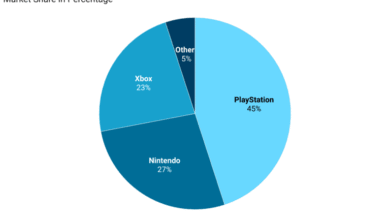
When comparing the graphics performance of leading gaming consoles, it is essential to consider visual quality, frame rates, and resolution support to determine the overall gaming experience.
PlayStation vs. Xbox vs. Nintendo
Each console manufacturer prioritizes graphics performance differently in their hardware designs, leading to varying results in terms of visual fidelity and gaming experience.
- PlayStation: Known for its emphasis on high-quality graphics and exclusive titles, PlayStation consoles typically offer top-tier visual quality and support for high resolutions. The PlayStation 5, for example, boasts impressive ray tracing capabilities and fast load times.
- Xbox: Microsoft’s Xbox consoles focus on providing a balance between performance and affordability. With features like Xbox Series X’s Variable Rate Shading and Quick Resume, Xbox consoles offer competitive graphics performance.
- Nintendo: While Nintendo consoles like the Switch may not match the raw power of PlayStation and Xbox, they prioritize innovation and unique gameplay experiences. Nintendo’s art style and game design often compensate for lower graphics performance.
Strengths and Weaknesses
Each console platform has its strengths and weaknesses when it comes to delivering top-tier graphics performance.
- PlayStation: Strengths include cutting-edge graphics technology, exclusive titles, and strong third-party support. Weaknesses may include higher pricing compared to competitors.
- Xbox: Strengths include backward compatibility, Xbox Game Pass, and robust online services. Weaknesses may include a lack of exclusive titles compared to PlayStation.
- Nintendo: Strengths include innovative gameplay experiences, iconic franchises, and portability. Weaknesses may include lower graphics performance compared to PlayStation and Xbox.
Future Trends in Gaming Console Graphics
As technology continues to advance rapidly, the future of gaming console graphics holds exciting possibilities. Innovations in graphics technology are poised to revolutionize the gaming experience on consoles, offering more immersive and visually stunning gameplay for gamers worldwide.
Virtual Reality (VR) Integration
Virtual Reality (VR) integration is expected to play a significant role in shaping the future of console graphics. With VR headsets becoming more mainstream and affordable, gaming consoles are likely to adopt VR technology to provide gamers with an unparalleled level of immersion. This integration could lead to more realistic environments, interactive gameplay, and a truly immersive gaming experience.
8K Resolution Support
The advent of 8K resolution support in gaming consoles is another milestone that could define the future of graphics in gaming. With 8K displays offering four times the resolution of 4K displays, gamers can expect sharper images, more vibrant colors, and enhanced detail in their favorite games. This advancement in resolution support will undoubtedly elevate the visual quality of games and bring them closer to photorealism.
Consumer Expectations and Impact on Graphics Development
Consumer expectations for high-quality graphics play a crucial role in driving the development of gaming consoles. The demand for visually stunning games with realistic graphics has significantly influenced the decisions made by console manufacturers to improve graphics performance.
Role of Gamer Feedback
- Feedback from gamers is essential in shaping decisions related to graphics performance improvements in gaming consoles.
- Developers often take into consideration the opinions and suggestions of gamers to enhance visual aspects of games and overall gaming experience.
- Continuous communication between developers and the gaming community helps in understanding consumer preferences and expectations regarding graphics quality.
Market Trends and Innovation
- Market trends and the increasing demand for visually impressive games are key drivers of innovation in graphics technology for consoles.
- Console manufacturers strive to stay ahead of the competition by introducing cutting-edge graphics capabilities to meet consumer expectations.
- Rapid advancements in graphics technology are a response to the market’s demand for more immersive and realistic gaming experiences.
End of Discussion
In conclusion, the world of gaming console graphics performance is a dynamic and ever-evolving landscape, shaped by consumer expectations, technological innovations, and the quest for immersive gameplay experiences.

Bryan Felizie is a seasoned digital content writer and researcher with a strong passion for delivering insightful, reliable, and well-researched articles across a wide range of topics on Tanelly.com. With years of experience in online publishing, Bryan has consistently focused on producing high-quality content that not only engages readers, but also provides real value and practical knowledge.
More About Bryan Felizie : https://tanelly.com/author-profile/