Performa AI Upscaling Di Handheld: Duel Teknologi Rendering Modern
With Performa AI Upscaling di Handheld: Duel Teknologi Rendering Modern at the forefront, this paragraph opens a window to an amazing start and intrigue, inviting readers to embark on a storytelling formal and friendly language style filled with unexpected twists and insights.
The topic explores the concept of AI upscaling in handheld devices, the comparison between different rendering technologies, benefits of AI upscaling, implementation of dual rendering technologies, user experience enhancement, future trends, performance comparison, use cases, challenges, limitations, and ethical considerations.





Overview of Performa AI Upscaling di Handheld
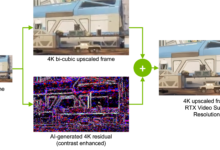
AI upscaling in handheld devices refers to the use of artificial intelligence algorithms to enhance the resolution and quality of images displayed on small screens such as smartphones and tablets. This technology analyzes low-resolution images and uses complex algorithms to predict and generate higher-resolution versions, resulting in clearer and more detailed visuals.
AI upscaling significantly improves the viewing experience on handheld devices by reducing image distortion, enhancing sharpness, and increasing clarity. It enables users to enjoy high-quality content, such as videos, games, and photos, without compromising on visual fidelity. By upscaling lower-resolution content, AI technology ensures that users can fully appreciate the details and intricacies of the visuals on their devices.
Modern rendering technologies play a crucial role in enhancing the user experience on handheld devices. These technologies, such as ray tracing and real-time rendering, improve lighting, shadows, textures, and overall graphics quality in applications and games. By leveraging these advanced rendering techniques, handheld devices can deliver realistic and immersive visuals that rival traditional gaming consoles and computers. The combination of AI upscaling and modern rendering technologies results in a superior visual experience that is both engaging and visually stunning for users.
Comparison between Different Rendering Technologies
Rendering technologies have evolved significantly over the years, with modern advancements offering superior performance and visual quality compared to traditional methods. This comparison will highlight the key features of modern rendering technologies used in AI upscaling and how dual rendering technologies contribute to better performance in handheld devices.
Traditional Rendering Methods vs. Modern Rendering Technologies
Traditional rendering methods typically rely on rasterization, which involves converting 3D objects into 2D images through a series of calculations. While effective, this approach can sometimes result in lower image quality and limited scalability. On the other hand, modern rendering technologies, such as ray tracing and AI upscaling, offer more realistic lighting effects, improved textures, and higher resolutions.
- Ray Tracing: Utilizes complex algorithms to simulate the behavior of light in a scene, resulting in accurate reflections, shadows, and global illumination. This leads to more visually stunning and realistic graphics.
- AI Upscaling: Harnesses the power of artificial intelligence to enhance the resolution of images and videos, filling in missing details and sharpening edges. This technology can significantly improve the visual quality of content without the need for high-resolution native assets.
Dual Rendering Technologies in Handheld Devices
Handheld devices face limitations in processing power and graphical capabilities compared to desktop computers or gaming consoles. By integrating dual rendering technologies, such as a combination of ray tracing and AI upscaling, handheld devices can achieve better performance and visual fidelity.
- Ray Tracing in Handheld Devices: While demanding on hardware, ray tracing can be optimized for mobile platforms to deliver more immersive lighting effects and realistic visuals in games and applications.
- AI Upscaling for Improved Image Quality: Implementing AI upscaling in handheld devices allows for the enhancement of lower-resolution content to appear sharper and more detailed on smaller screens, providing a better viewing experience for users.
Benefits of AI Upscaling in Handheld Devices
AI upscaling offers numerous advantages when it comes to enhancing visual content on handheld screens. By leveraging advanced algorithms and machine learning capabilities, AI upscaling significantly improves the image quality, sharpness, and clarity on small screens, providing users with a more immersive viewing experience.
Enhanced Image Quality
AI upscaling technology works by analyzing low-resolution images and extrapolating missing details to enhance the overall image quality. This process helps to reduce pixelation, jagged edges, and other visual artifacts, resulting in sharper and more detailed images on handheld devices. As a result, users can enjoy crisp and clear visuals, whether they are playing games, watching videos, or browsing the web on their handheld devices.
Improved Gaming Experience
In the gaming world, AI upscaling plays a crucial role in enhancing the graphics quality of games on handheld devices. By upscaling lower resolution textures and assets in real-time, AI algorithms can deliver smoother gameplay, sharper graphics, and more realistic visuals, creating a more engaging and immersive gaming experience for players.
Optimized Video Streaming
When it comes to video streaming on handheld devices, AI upscaling can make a significant difference in the viewing experience. By upscaling lower resolution videos to higher resolutions, AI technology can enhance the clarity, sharpness, and overall quality of streamed content, allowing users to enjoy movies, TV shows, and other videos in stunning detail on their handheld screens.
Enhanced User Interface
Beyond gaming and video streaming, AI upscaling can also improve the overall user interface of applications on handheld devices. By upscaling icons, text, and other graphical elements, AI algorithms can make the user interface more visually appealing, easier to read, and navigate, enhancing the overall user experience on handheld devices.
Implementation of Dual Rendering Technologies
Implementing dual rendering technologies in handheld devices is crucial for maximizing the performance and image quality of AI upscaling. By utilizing two different rendering technologies, manufacturers can achieve superior results in processing and enhancing visuals on smaller screens.
Examples of Handheld Devices Utilizing Dual Rendering Technologies
- The Nintendo Switch employs both rasterization and ray tracing technologies to enhance graphics quality in games.
- The latest smartphones from Samsung and Apple integrate GPU and CPU rendering techniques to optimize image processing for photography and video playback.
Challenges and Considerations in Implementing Dual Rendering Technologies
- Compatibility issues between different rendering technologies may arise, requiring meticulous software development and testing.
- Balancing power consumption and performance is essential to ensure efficient utilization of dual rendering technologies without draining the device’s battery quickly.
- Cost implications in integrating multiple rendering technologies can impact the overall price of the handheld device.
How Dual Rendering Technologies Work Together
Dual rendering technologies work in tandem to optimize performance and image quality by leveraging the strengths of each technology. For example, rasterization can handle complex geometric calculations efficiently, while ray tracing excels in rendering realistic lighting effects. By combining these technologies, handheld devices can deliver stunning visuals with improved speed and accuracy.
User Experience Enhancement
AI upscaling and dual rendering technologies play a crucial role in enhancing the overall user experience on handheld devices. By improving image quality and visual performance, these technologies elevate user satisfaction and engagement levels significantly.
Enhanced Visual Clarity
- AI upscaling ensures sharper images and smoother graphics, providing users with a more immersive viewing experience.
- Dual rendering technologies optimize frame rates and reduce lag, resulting in seamless and responsive interactions on the device.
User Feedback and Satisfaction
- Users have reported a noticeable difference in image quality when utilizing AI upscaling features, expressing satisfaction with the enhanced clarity and detail.
- Positive feedback on the smoothness and responsiveness of graphics rendered through dual technologies indicates an improved overall user experience.
Impact on User Engagement
- Improved image quality has a direct impact on user engagement, increasing the time spent on handheld devices and encouraging interaction with various applications and content.
- Users are more likely to enjoy gaming, streaming, and multimedia experiences on devices equipped with AI upscaling and dual rendering technologies, leading to higher overall satisfaction levels.
Future Trends in AI Upscaling for Handheld Devices
AI upscaling technology for handheld devices is expected to witness significant advancements in the coming years, driven by the continuous evolution of dual rendering technologies and the increasing demands of users for enhanced visual experiences on portable devices.
Advancements in Dual Rendering Technologies
- Future dual rendering technologies are likely to become more sophisticated, leveraging AI algorithms to enhance image quality, reduce noise, and improve overall visual fidelity.
- Developments in real-time processing capabilities will enable handheld devices to deliver seamless transitions between different rendering techniques, creating a more immersive user experience.
- Integration of advanced machine learning models into dual rendering systems will further optimize resource utilization and enhance the overall performance of AI upscaling solutions.
Evolution of AI Upscaling to Meet User Demands
- AI upscaling in handheld devices is anticipated to focus on enhancing the clarity, sharpness, and color accuracy of images and videos, catering to the growing need for high-quality content consumption on-the-go.
- Future advancements may include personalized AI upscaling profiles based on user preferences, allowing individuals to customize their viewing experience and optimize image quality according to their specific requirements.
- Collaborations between AI upscaling developers and content creators could lead to the development of AI-powered tools that streamline the upscaling process and ensure consistent visual quality across various types of multimedia content.
Performance Comparison with Traditional Upscaling Methods
In comparing the performance of AI upscaling with traditional upscaling methods, it is crucial to consider factors such as image quality, processing speed, and efficiency. AI upscaling utilizes advanced algorithms to enhance image resolution, while traditional methods rely on simpler interpolation techniques.
Image Quality
AI upscaling algorithms, such as machine learning models, can analyze and reconstruct images with higher accuracy and detail compared to traditional upscaling methods. This results in sharper images, better color reproduction, and reduced artifacts, providing a significant improvement in visual quality for handheld devices.
Processing Speed
AI upscaling may require more computational power initially due to complex algorithms and neural networks. However, once trained, AI models can process images faster than traditional upscaling methods, leading to quicker rendering times and smoother performance on handheld devices.
Efficiency and Resource Management
AI upscaling is more efficient in utilizing resources such as memory and processing power compared to traditional methods. By intelligently analyzing and upscaling images, AI algorithms can optimize resource allocation for better performance while minimizing energy consumption, making it ideal for handheld devices with limited battery life.
Use Cases of AI Upscaling in Handheld Devices
AI upscaling technology offers a wide range of use cases for handheld devices, enhancing visual quality and user experience across various industries and applications.
Gaming Industry
AI upscaling can significantly benefit the gaming industry by improving the graphics quality of games on handheld devices. By utilizing AI algorithms to enhance textures, details, and overall resolution, gamers can enjoy a more immersive and realistic gaming experience on their portable devices.
Video Streaming Services
Video streaming services can leverage AI upscaling to enhance the quality of video content on handheld devices. By upscaling lower-resolution videos to higher quality, users can enjoy sharper images and clearer details while streaming their favorite movies or TV shows on the go.
Photography and Image Editing Apps
Photography and image editing apps can integrate AI upscaling technology to improve the quality of edited images on handheld devices. By upscaling images with AI algorithms, users can enhance the clarity, sharpness, and overall visual appeal of their photos directly on their smartphones or tablets.
Augmented Reality (AR) Applications
AR applications can benefit from AI upscaling by enhancing the visual quality of AR content displayed on handheld devices. By upscaling textures and graphics in real-time, AI technology can elevate the realism and immersion of AR experiences, making them more engaging and visually impressive for users.
Challenges and Limitations of AI Upscaling
AI upscaling technology, while highly beneficial, also faces several challenges and limitations when implemented on handheld devices. These obstacles need to be addressed to maximize the effectiveness of AI upscaling in enhancing user experience.
Processing Power Constraints
One of the main challenges in implementing AI upscaling on handheld devices is the limitation of processing power. AI algorithms require significant computational resources to perform real-time upscaling efficiently. Handheld devices, especially smartphones and tablets, may struggle to allocate the necessary processing power without draining the battery quickly.
Memory and Storage Limitations
Another limitation is the availability of memory and storage on handheld devices. AI upscaling algorithms require a large amount of data to process high-resolution images effectively. Limited memory and storage capacity on handheld devices can hinder the performance of AI upscaling, leading to slower processing speeds and reduced image quality.
Compatibility and Integration Issues
Integrating AI upscaling technology into existing handheld devices can be challenging due to compatibility issues with different operating systems and hardware configurations. Ensuring seamless integration of AI upscaling features across a wide range of devices and platforms requires extensive testing and optimization, which can be time-consuming and resource-intensive.
Training Data Quality
The effectiveness of AI upscaling heavily relies on the quality and diversity of the training data used to develop the upscaling models. Limited access to high-quality training data can impact the accuracy and performance of AI upscaling algorithms, especially in scenarios where specific image characteristics are underrepresented in the training dataset.
Dynamic Content Adaptation
AI upscaling technology may face limitations in dynamically adapting to different types of content, such as videos, games, or text, on handheld devices. Ensuring consistent upscaling performance across various content formats and applications requires sophisticated algorithms capable of adjusting parameters in real-time based on the content being processed.
Ethical Considerations in AI Upscaling Development
AI upscaling technology in handheld devices raises various ethical concerns that need to be addressed to ensure responsible development and deployment. Issues such as data privacy, bias, and transparency in AI upscaling algorithms are crucial aspects that require attention to maintain user trust and safeguard against potential harm.
Data Privacy Concerns
Data privacy is a significant ethical consideration in AI upscaling development. As these algorithms require access to user data and images for training and improvement, there is a risk of unauthorized access or misuse of this sensitive information. It is essential for developers to implement robust data protection measures to safeguard user privacy and prevent any potential breaches.
Bias in Algorithms
Another critical ethical concern is the presence of bias in AI upscaling algorithms. Biases can result from the data used to train these algorithms, leading to inaccurate or unfair outcomes, especially when it comes to enhancing images of individuals from diverse backgrounds. Developers must actively work to identify and mitigate biases in their algorithms to ensure equitable and unbiased results.
Transparency and Accountability
Ensuring transparency and accountability in AI upscaling development is essential for building user trust and understanding how these technologies work. Users should have clear information about how their data is being used, the limitations of the algorithms, and the potential implications of using AI upscaling on their images. Developers should also be accountable for the decisions made by their algorithms and provide mechanisms for addressing any errors or issues that may arise.
Importance of Ethical Guidelines
Establishing ethical guidelines and regulations for the development and deployment of AI upscaling solutions is crucial to promote responsible practices in the industry. These guidelines can help set standards for data privacy, bias mitigation, transparency, and accountability, ensuring that AI upscaling technologies are developed and used ethically to benefit society without causing harm.
Conclusive Thoughts
In conclusion, Performa AI Upscaling di Handheld: Duel Teknologi Rendering Modern sheds light on the exciting advancements in AI technology for enhancing visual content on handheld devices. The integration of dual rendering technologies and AI upscaling promises a bright future for user experience and engagement in the digital landscape.

Bryan Felizie is a seasoned digital content writer and researcher with a strong passion for delivering insightful, reliable, and well-researched articles across a wide range of topics on Tanelly.com. With years of experience in online publishing, Bryan has consistently focused on producing high-quality content that not only engages readers, but also provides real value and practical knowledge.
More About Bryan Felizie : https://tanelly.com/author-profile/