The Latest Android UI Design Changes
Newest Android UI design changes set the stage for this enthralling narrative, offering readers a glimpse into a story that is rich in detail and brimming with originality from the outset. As we delve into the key elements, color palettes, navigation enhancements, typography choices, and more, a world of innovation and user-centric design unfolds before us.




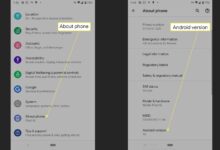
Overview of Newest Android UI Design Changes
The latest Android UI design changes have brought significant updates to the user interface, enhancing the overall user experience and modernizing the look and feel of Android devices.
Key Elements of the Latest Android UI Design
- 1. Material You Design: The new Android UI design focuses on personalization and customization, allowing users to adjust colors, fonts, and styles to match their preferences.
- 2. Enhanced Widgets: The latest UI design introduces improved widgets that are more interactive and visually appealing, providing quick access to information and functions.
- 3. Simplified Navigation: The navigation system has been streamlined for easier access to apps and features, with a focus on intuitive gestures and controls.
Differences from Previous Versions
- The new UI design offers a more cohesive and consistent visual experience across different devices and screen sizes, promoting a unified look for Android users.
- Animations and transitions have been enhanced to provide a smoother and more engaging user interaction, adding a touch of elegance to the overall experience.
Specific Changes in UI Layout and Features
- 1. Redesigned Quick Settings Panel: The Quick Settings panel has been revamped with new icons and controls, making it easier to access frequently used settings.
- 2. Updated Notifications: Notifications have been redesigned to be more informative and interactive, allowing users to take actions directly from the notification shade.
- 3. Revamped App Drawer: The app drawer now features a cleaner layout and improved organization, making it easier to find and launch apps quickly.
Impact on User Experience
- The new Android UI design changes have significantly improved the user experience by making the interface more customizable, intuitive, and visually appealing.
- Users can now personalize their devices to reflect their style and preferences, creating a more engaging and enjoyable interaction with their Android devices.
Color Palette and Themes
In the newest Android UI design, the color palette plays a crucial role in creating a visually appealing and user-friendly interface. The choice of colors and themes has a significant impact on the overall user experience and can influence how users interact with the app or system.
The color palette in the newest Android UI design is modern and vibrant, with a mix of bold and subtle colors. The primary colors used are more saturated and eye-catching, while the secondary colors are softer and serve as accents. This combination creates a visually dynamic interface that is both aesthetically pleasing and functional.
Color Psychology and User Experience
The choice of colors in the new UI design is not arbitrary; it is based on color psychology principles that aim to evoke specific emotions and responses from users. For example, the use of blue tones can convey a sense of trust and reliability, making users feel more comfortable and secure while interacting with the interface. On the other hand, warmer tones like red or orange can create a sense of urgency or excitement, prompting users to take action.
Comparison to Older Versions
Compared to older versions of the Android UI design, the newest color palette is more dynamic and versatile. The themes available in the new design offer a wider range of customization options, allowing users to personalize their experience and choose a color scheme that suits their preferences. This flexibility enhances user engagement and satisfaction, as users can tailor the interface to their liking.
Contribution to Aesthetic Appeal
The color scheme in the latest Android UI design contributes significantly to the overall aesthetic appeal of the interface. The harmonious blend of colors creates a visually cohesive and engaging experience for users, enhancing the usability and desirability of the system. The color palette not only adds visual interest but also helps to differentiate various elements and provide clarity in navigation.
Navigation and Interaction Enhancements
In the latest Android UI design changes, significant improvements have been made to enhance navigation and interaction for users. These changes aim to make the user experience more intuitive and seamless.
Enhanced Navigation Options
- Introduction of bottom navigation bars for easier access to commonly used functions.
- Improved use of gestures for quick navigation between apps and screens.
- Smart suggestions for app switching based on user behavior patterns.
New Gestures and Interaction Methods
- Introduction of swipe gestures for quicker access to app settings and controls.
- Enhanced use of pinch and zoom gestures for better control over content viewing.
- Interactive animations for smoother transitions between screens and apps.
Improved User Interface Intuitiveness
- Clearer visual cues and feedback for user actions to enhance overall usability.
- Consistent design patterns for a more cohesive user experience across different apps.
- Contextual menus and actions based on user interactions for faster task completion.
Benefits for Users
- Quicker access to frequently used functions with bottom navigation bars.
- Efficient navigation between apps and screens with intuitive gestures.
- Enhanced user satisfaction with smoother transitions and interactive animations.
Typography and Font Choices
In the newest Android UI design, typography plays a crucial role in enhancing the overall user experience. The font choices have been carefully curated to ensure readability and visual appeal. Let’s delve deeper into the typography trends and font choices in the latest Android UI design.
Typography Trends in Newest Android UI Design
Typography trends in the newest Android UI design focus on clean, modern fonts that are easy to read on various screen sizes. Sans-serif fonts are widely used for their simplicity and legibility. The emphasis is on clarity and consistency across different elements of the user interface.
Comparison of Font Choices with Previous Versions
Compared to previous versions, the font choices in the newest Android UI design are more streamlined and contemporary. The fonts selected prioritize readability without sacrificing style. The use of consistent font families and weights throughout the interface creates a cohesive look and feel.
Importance of Font Selection in Enhancing User Experience
Font selection plays a critical role in enhancing the user experience. The right fonts can make content more engaging, easier to digest, and visually appealing. By choosing fonts that are legible and aesthetically pleasing, users can navigate the interface effortlessly and enjoy a seamless experience.
Typography’s Contribution to Overall Visual Appeal
Typography contributes significantly to the overall visual appeal of the Android UI design. Well-chosen fonts can evoke emotions, convey brand identity, and create a sense of hierarchy within the interface. The typography sets the tone for the user experience and helps establish a cohesive design language throughout the platform.
Iconography and Visual Elements
In the latest Android UI design changes, a significant focus has been placed on enhancing iconography and visual elements to create a more cohesive and user-friendly interface.
Updated Icons and Graphics
- The new UI features updated icons and graphics that are more modern, sleek, and minimalist in design.
- Icons have been refined with cleaner lines and simplified shapes, making them easier to recognize and distinguish.
- Graphics have been optimized for high resolution displays, ensuring crisp and clear visuals.
Design Philosophy
- The design philosophy behind the updated icons and graphics is centered around clarity, consistency, and intuitiveness.
- Icons are now designed to be more universally understood, reducing the need for text labels and enhancing overall usability.
- The use of color, shape, and size in visual elements is carefully considered to convey meaning and functionality effectively.
Navigation with Visual Elements
- Visual elements such as icons and graphics play a crucial role in aiding navigation throughout the interface.
- Icons are used to represent actions, functions, and features, helping users quickly identify and access different elements of the UI.
- Consistent visual cues across the UI assist users in understanding the hierarchy of information and the flow of interactions.
Consistency and Coherence
- There is a strong emphasis on maintaining consistency and coherence in visual elements across the UI.
- Icons and graphics follow a unified design language, ensuring a harmonious look and feel throughout the interface.
- By adhering to consistent visual guidelines, users can easily familiarize themselves with the interface and navigate seamlessly.
Adaptive Layouts and Responsive Design
Adaptive layouts and responsive design play a crucial role in ensuring that the newest Android UI design is versatile and user-friendly across a wide range of devices. By adapting to different screen sizes and resolutions, the design can provide a seamless user experience regardless of the device being used.
Adaptation to Different Screen Sizes
One of the key features of the newest Android UI design is its ability to adapt to various screen sizes. Whether it’s a small smartphone screen or a larger tablet display, the design elements adjust dynamically to fit the available space without compromising on usability or aesthetics.
Responsiveness Across Devices
The responsiveness of the design ensures that users have a consistent experience across different devices. Whether they are accessing the app on a smartphone, tablet, or even a desktop computer, the UI elements respond appropriately to provide an optimal viewing and interaction experience.
Importance of Adaptive Layouts
Adaptive layouts are essential in modern UI design as they cater to the diverse landscape of devices available in the market. By designing layouts that can adapt to different screen sizes, designers can ensure that their apps are accessible to a wider audience without compromising on usability or visual appeal.
Enhanced User Accessibility
Responsive design not only enhances user accessibility by providing a consistent experience across devices but also ensures that users can easily navigate and interact with the app regardless of the screen size. This accessibility is crucial in ensuring a positive user experience and increasing user engagement.
Accessibility Features and Inclusivity
Accessibility features in the latest Android UI design focus on making the interface more user-friendly for individuals with disabilities or special needs. Inclusivity is a key aspect of UI/UX design as it ensures that all users, regardless of their abilities, can interact with the system effectively.
Enhanced Voice Commands
Voice commands have been improved to allow users with motor disabilities to navigate the interface more easily. Users can now perform various actions such as opening apps, sending messages, or making calls using voice commands, enhancing the overall accessibility of the system.
High Contrast Mode
The introduction of a high contrast mode caters to users with visual impairments by increasing the visibility of elements on the screen. This feature adjusts the color scheme to provide better contrast, making it easier for visually impaired users to read text and distinguish between different interface elements.
Customizable Font Sizes and Styles
Android’s latest UI design includes options to customize font sizes and styles, allowing users with visual impairments to adjust the text according to their preferences. This feature enhances accessibility by ensuring that all users can comfortably read and interact with content on the screen.
Screen Reader Compatibility
The design incorporates improved compatibility with screen reader software, making it easier for users with visual impairments to access and navigate the interface. Screen reader support enhances inclusivity by providing auditory feedback for on-screen content, enabling users with visual impairments to understand and interact with the UI effectively.
Gesture-based Navigation Options
Gesture-based navigation options have been introduced to accommodate users with mobility impairments. These gestures enable users to navigate the interface using simple swipes and taps, reducing the need for complex physical interactions. This feature enhances accessibility by providing alternative methods for interacting with the system.
Animation and Microinteractions
In the newest Android UI design changes, animation and microinteractions play a crucial role in enhancing user experience and engagement. These elements not only provide visual appeal but also offer valuable feedback to users, making interactions more intuitive and enjoyable.
Role of Animation in User Engagement
Animations in the new Android UI are used to guide users through the interface, provide visual feedback for actions, and create a seamless and delightful user experience. For example, subtle animations can help users understand the hierarchy of information on the screen, while transitions between different screens can make the navigation feel more natural and intuitive.
Creative Microinteractions
Microinteractions are small, focused animations that serve a specific purpose, such as indicating a successful action, highlighting important information, or providing context for user interactions. For instance, a subtle animation when tapping a button can confirm the action and give users a sense of control over the interface. Creative microinteractions like these can significantly improve user experience by adding depth and personality to the UI.
Subtle Animations for Guidance
Subtle animations, such as hover effects, loading indicators, or visual cues, are used to guide users through the interface and provide feedback on their actions. By using animations strategically, designers can direct users’ attention to key elements, simplify complex interactions, and create a more engaging and user-friendly experience. These subtle animations help users understand the interface better and navigate through the app with ease.
Dark Mode and Theming Options
Dark mode has become a popular feature in modern user interfaces, including the newest Android UI design. This option allows users to switch to a darker color scheme, which is easier on the eyes, especially in low-light environments. In addition to reducing eye strain, dark mode can also help extend battery life on devices with OLED screens.
Implementation of Dark Mode
- Android UI design now includes a system-wide dark mode option that can be enabled in the settings.
- App developers can also implement dark mode in their apps to provide a consistent user experience.
- Users have the flexibility to choose between light and dark themes or set their own custom preferences.
Benefits of Dark Mode
- Enhanced user comfort, especially during nighttime usage or in dimly lit environments.
- Reduced eye strain and improved readability for prolonged device usage.
- Potential battery savings on devices with OLED screens due to lower power consumption.
Customization and Personalization
- Users can personalize their experience by choosing from a variety of theme options, including different accent colors and font styles.
- Ability to create custom themes by adjusting colors, fonts, and other visual elements to suit individual preferences.
- Theming options allow users to express their style and make the interface more visually appealing.
Importance of Multiple Theming Options
- Offering multiple theming options caters to diverse user preferences and accessibility needs.
- Allows users to tailor the interface to their liking, promoting a more engaging and personalized user experience.
- Enhances user satisfaction and loyalty by providing a customizable interface that aligns with individual preferences.
User Feedback and Future Iterations
User feedback plays a crucial role in shaping the evolution of Android UI design. By listening to users’ opinions, suggestions, and pain points, developers can make informed decisions to enhance the user experience further.
User-Centric Design Updates
User feedback has influenced recent Android UI design changes by focusing on improving usability, accessibility, and overall user satisfaction. For example, based on feedback regarding navigation difficulties, updates were made to streamline menu structures and enhance intuitive interactions.
Future Iterations and Continuous Improvement
Looking ahead, potential future iterations of Android UI design will continue to be driven by user suggestions and feedback. Developers will prioritize features that align with user needs and preferences, ensuring a user-centric approach to design. Continuous improvement through iterative design processes will enable Android to stay responsive to evolving user expectations.
Impact of User Feedback
User feedback shapes the evolution of the UI by highlighting areas for improvement, identifying bugs or glitches, and suggesting new features. For instance, feedback on the color contrast of certain elements led to adjustments to improve readability for users with visual impairments. By actively listening to users, Android can deliver a more personalized and inclusive experience.
Iterative Design Process
The iterative process of UI design involves creating prototypes, gathering feedback, implementing changes, and testing again. This cycle allows developers to refine the UI based on user input, ensuring that each iteration brings the interface closer to meeting user expectations. Iterative design fosters innovation and ensures that Android UI remains responsive to user needs.
Wrap-Up
In conclusion, the newest Android UI design changes not only showcase a remarkable evolution in visual aesthetics but also underscore the importance of user experience and inclusivity. With adaptive layouts, dark mode options, and a keen focus on user feedback, the future iterations of Android UI promise to be even more engaging and user-friendly.

Bryan Felizie is a seasoned digital content writer and researcher with a strong passion for delivering insightful, reliable, and well-researched articles across a wide range of topics on Tanelly.com. With years of experience in online publishing, Bryan has consistently focused on producing high-quality content that not only engages readers, but also provides real value and practical knowledge.
More About Bryan Felizie : https://tanelly.com/author-profile/