Thermal Throttling & Liquid Metal Cooling: The Modern Solution For Handheld Gaming Cooling
Starting with Thermal Throttling & Liquid Metal Cooling: Solusi Pendingin Handheld Gaming Masa Kini, this topic delves into the innovative ways to enhance cooling efficiency for handheld gaming devices, offering a glimpse into the cutting-edge technology of liquid metal cooling.
As we explore the challenges of thermal throttling and the benefits of liquid metal cooling, readers will gain a deeper understanding of how these advancements are shaping the gaming landscape for portable devices.



Introduction to Thermal Throttling & Liquid Metal Cooling
Thermal throttling is a common issue in handheld gaming devices where the device’s performance is reduced to prevent overheating, impacting gameplay experience. Liquid metal cooling, on the other hand, is a cutting-edge cooling solution that offers superior heat dissipation compared to traditional methods like thermal paste or thermal pads.
Examples of Popular Handheld Gaming Devices with Thermal Throttling Issues
- The Nintendo Switch: Known for its compact design, the Switch can experience thermal throttling during intensive gaming sessions, leading to decreased performance and potential lag.
- The Sony PS Vita: Another popular handheld console, the PS Vita has also been reported to suffer from thermal throttling, affecting gameplay and overall user experience.
- The ASUS ROG Phone: While designed for gaming, the ROG Phone can still face thermal throttling challenges, impacting the device’s ability to maintain peak performance for extended periods.
Causes of Thermal Throttling
Thermal throttling is a common issue in handheld gaming devices that can significantly impact performance and user experience. Let’s explore the primary reasons behind thermal throttling in these devices.
High-Performance Games and Increased Thermal Loads
One of the main causes of thermal throttling in handheld gaming devices is the demand created by high-performance games. These games push the device’s hardware to its limits, generating a substantial amount of heat in the process. As the device struggles to dissipate this heat effectively, thermal throttling kicks in to prevent overheating and potential damage.
Impact of Poor Device Design on Thermal Management
The design of a handheld gaming device plays a crucial role in its thermal management capabilities. Devices with inadequate cooling systems, cramped internal layouts, or insufficient ventilation are more prone to thermal throttling. Poor thermal management can lead to heat build-up within the device, triggering throttling mechanisms to safeguard the components from overheating.
Understanding Liquid Metal Cooling Technology
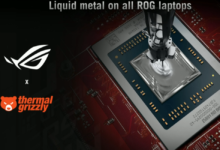
Liquid metal cooling technology is a cutting-edge solution for dissipating heat effectively in handheld gaming devices. Unlike traditional thermal paste or heat pipes, liquid metal cooling utilizes a special metal alloy that has a high thermal conductivity, allowing it to efficiently transfer heat away from the device’s components.
How Liquid Metal Cooling Works
Liquid metal cooling involves applying a thin layer of liquid metal alloy between the heat-generating component and the heatsink. This liquid metal has a lower viscosity compared to traditional thermal paste, which enables it to fill in microscopic imperfections on the surface and create a more direct path for heat transfer. As a result, heat is dissipated more efficiently, reducing the risk of thermal throttling and improving overall performance.
Advantages of Liquid Metal Cooling
- Enhanced Thermal Conductivity: Liquid metal cooling has a significantly higher thermal conductivity compared to thermal paste, allowing for better heat dissipation.
- Longevity: Liquid metal is more durable and stable over time, ensuring consistent cooling performance for an extended period.
- Improved Cooling Efficiency: The direct contact between the liquid metal and the heat source minimizes thermal resistance, leading to better cooling efficiency.
- Reduced Thermal Throttling: By effectively dissipating heat, liquid metal cooling helps prevent thermal throttling, allowing for sustained high performance during gaming sessions.
Implementation of Liquid Metal Cooling in Handheld Gaming Devices
Liquid metal cooling technology has made its way into handheld gaming devices, offering efficient thermal management solutions for compact and powerful devices. Let’s explore how manufacturers have successfully implemented liquid metal cooling in these devices, along with the challenges faced and optimization techniques utilized.
Examples of Handheld Gaming Devices with Liquid Metal Cooling
- The ASUS ROG Phone 5 Ultimate Edition features a vapor chamber cooling system with liquid metal thermal interface material, ensuring optimal heat dissipation during intense gaming sessions.
- The RedMagic 6 Pro utilizes a combination of active cooling fans and liquid metal cooling to maintain low temperatures and prevent thermal throttling while gaming.
- The Xiaomi Black Shark 4 Pro incorporates a liquid cooling system with a copper thermal plate and liquid metal compound to effectively dissipate heat and enhance performance.
Challenges Faced During Implementation
- One of the main challenges faced when integrating liquid metal cooling in handheld devices is the limited space available for cooling components, requiring innovative design solutions to fit the technology without compromising device size.
- Ensuring the durability and longevity of liquid metal cooling systems in portable devices is crucial, as any leaks or malfunctions could potentially damage the device and impact performance.
- Managing the cost of implementing liquid metal cooling in handheld gaming devices can be a challenge, as the technology can be more expensive than traditional cooling methods, affecting the overall device price.
Optimization of Liquid Metal Cooling Systems
- Manufacturers optimize liquid metal cooling systems by fine-tuning the application process to ensure proper coverage and contact with the heat-generating components, maximizing thermal conductivity and heat dissipation.
- Thermal design considerations, such as the placement of cooling components and ventilation openings, are carefully planned to enhance the overall efficiency of the liquid metal cooling system in handheld devices.
- Ongoing research and development efforts focus on improving the performance and reliability of liquid metal cooling technology, aiming to provide users with enhanced thermal management solutions for their gaming devices.
Performance Benefits of Liquid Metal Cooling
Liquid metal cooling technology offers significant performance benefits when implemented in handheld gaming devices. By replacing traditional thermal interface materials with liquid metal, the cooling efficiency is greatly increased, resulting in improved overall performance and user experience.
Enhanced Thermal Conductivity
Liquid metal has a much higher thermal conductivity compared to traditional thermal pastes or pads. This means that heat can be dissipated more effectively from the CPU and GPU in a handheld gaming device, preventing thermal throttling and allowing for sustained high performance levels during intense gaming sessions.
Lower Operating Temperatures
With liquid metal cooling, handheld gaming devices can operate at lower temperatures compared to conventional cooling methods. This not only improves the overall lifespan of the device but also ensures consistent performance without the risk of overheating, even under heavy workloads.
Improved Benchmark Results
Benchmark tests have shown a significant improvement in performance metrics after implementing liquid metal cooling solutions in handheld gaming devices. Higher frame rates, smoother gameplay, and reduced input lag are just some of the benefits that gamers can experience with enhanced thermal management.
Enhanced Gaming Experience
Overall, the use of liquid metal cooling technology in handheld gaming devices leads to a more enjoyable and immersive gaming experience. Gamers can push their devices to the limits without worrying about performance degradation due to thermal issues, resulting in a smoother and more responsive gameplay experience.
Thermal Throttling Prevention Techniques
Thermal throttling can greatly affect the performance of handheld gaming devices, leading to decreased frame rates and overall gaming experience. To prevent this issue, various techniques can be implemented to ensure optimal thermal management.
Optimizing Software Performance
One effective way to prevent thermal throttling is through software optimizations. By improving the efficiency of software running on the device, you can reduce the overall heat generated, thus minimizing the risk of thermal issues during gaming sessions.
- Implement efficient code structure and reduce unnecessary background processes to lower CPU usage.
- Regularly update software to fix bugs and enhance performance, which can indirectly aid in preventing thermal throttling.
- Utilize performance monitoring tools to identify resource-intensive applications and optimize their performance for better heat management.
User Tips for Minimizing Thermal Throttling
Aside from software optimizations, users can also take proactive steps to minimize the risk of thermal throttling while gaming on handheld devices.
- Avoid gaming in direct sunlight or in extremely hot environments to prevent additional heat buildup.
- Use cooling pads or external fans to help dissipate heat more effectively during intense gaming sessions.
- Regularly clean the device’s vents and ensure proper airflow to prevent heat accumulation within the device.
- Adjust in-game settings to lower graphics quality or frame rates to reduce the workload on the device’s hardware and subsequently decrease heat generation.
Impact of Thermal Throttling on Gaming Experience
When it comes to gaming on handheld devices, thermal throttling can have a significant impact on the overall gaming experience. Let’s delve into how thermal throttling affects gameplay, graphics quality, and the overall user experience.
Performance Degradation in Games
- Thermal throttling can lead to a decrease in the device’s performance, causing games to run at lower frame rates and reduced graphical fidelity.
- Games that require high processing power may struggle to maintain smooth gameplay when the device is affected by thermal throttling.
- Real-world examples such as open-world games or graphics-intensive titles may experience noticeable performance degradation when thermal issues arise.
Importance of Addressing Thermal Throttling
- Addressing thermal throttling is crucial for ensuring uninterrupted gaming sessions without any performance hiccups.
- By implementing effective cooling solutions like liquid metal cooling, users can enjoy a smoother gaming experience with consistent performance levels.
- Ignoring thermal throttling issues can lead to frustration for gamers, impacting their overall satisfaction with the gaming device.
User Maintenance Tips for Cooling Systems
When it comes to liquid metal cooling systems in handheld gaming devices, proper maintenance is crucial to ensure optimal performance and longevity. Regular maintenance not only helps prevent thermal throttling but also extends the lifespan of your device. Here are some user maintenance tips to keep your cooling system running smoothly:
Cleaning the Cooling System
- Turn off the device and unplug it before beginning any maintenance.
- Gently remove any dust or debris from the cooling vents using compressed air or a soft brush.
- Use a lint-free cloth dampened with isopropyl alcohol to clean the surface of the heatsink and fan blades.
- Avoid using water or harsh chemicals that could damage the components.
Replacing Thermal Compounds
- Over time, thermal compounds can dry out or lose their effectiveness, leading to decreased cooling performance.
- Follow the manufacturer’s guidelines for safely replacing thermal compounds in your device.
- Remove the old thermal paste using isopropyl alcohol and a lint-free cloth before applying a fresh layer.
- Apply a pea-sized amount of thermal paste to the center of the CPU or GPU before reattaching the heatsink.
Significance of Regular Maintenance
Regular maintenance of your cooling system is essential to prevent overheating, thermal throttling, and potential damage to internal components. By keeping your device clean and ensuring proper thermal conductivity, you can maximize cooling efficiency and maintain optimal performance during gaming sessions.
Future Trends in Thermal Management for Handheld Gaming
The advancement of thermal management technology for handheld gaming devices is crucial to ensure optimal performance and user experience. As technology evolves, innovative cooling solutions are expected to revolutionize the gaming experience on portable devices. Collaboration between hardware manufacturers and cooling solution providers will play a key role in pushing the boundaries of thermal management capabilities.
Advancements in Cooling Solutions
- New materials: The development of advanced materials with superior thermal conductivity, such as graphene, may lead to more efficient cooling solutions for handheld gaming devices.
- Enhanced cooling mechanisms: Future devices may incorporate innovative cooling mechanisms, such as vapor chamber cooling or phase-change materials, to dissipate heat more effectively.
- Integration of AI: Artificial intelligence algorithms can be utilized to optimize thermal management in real-time, adjusting cooling strategies based on system demands and usage patterns.
- Miniaturization of cooling systems: With ongoing miniaturization trends in electronics, cooling systems are expected to become more compact and integrated into the design of handheld gaming devices.
Potential Collaborations
- Co-development projects: Hardware manufacturers and cooling solution providers may collaborate on joint projects to create customized cooling solutions tailored to specific gaming devices.
- Research partnerships: Academic institutions and industry players could partner to conduct research on novel cooling technologies, driving innovation in thermal management for handheld gaming.
- Cross-industry collaborations: Collaboration between gaming companies, smartphone manufacturers, and automotive cooling experts could result in cross-industry knowledge sharing and the development of groundbreaking cooling solutions.
- Open innovation platforms: Establishing open innovation platforms where various stakeholders can contribute ideas and expertise may foster the co-creation of advanced thermal management solutions for handheld gaming.
Environmental Impact of Liquid Metal Cooling
Liquid metal cooling technology has gained popularity in electronic devices due to its superior thermal conductivity and efficiency. However, it is essential to consider the environmental implications of using liquid metal cooling solutions compared to traditional methods.
Liquid metal cooling systems are generally more sustainable than traditional cooling methods for several reasons. The efficiency of liquid metal cooling allows for better heat dissipation, reducing the overall energy consumption of the device. This means that devices using liquid metal cooling may have a lower carbon footprint compared to those using air or fan-based cooling systems.
Moreover, liquid metal cooling solutions can potentially extend the lifespan of electronic devices by preventing overheating and thermal throttling. This can lead to fewer devices being discarded prematurely, reducing electronic waste and the overall environmental impact of manufacturing new devices.
Recycling Options and Disposal Considerations
When it comes to disposing of electronic devices with liquid metal cooling components, it is essential to consider proper recycling options. Liquid metal materials can be recycled and reused in other applications, reducing the need for new raw materials and minimizing waste.
However, the disposal of liquid metal components requires special care due to their potential toxicity and environmental impact. Proper disposal methods should be followed to ensure that these components do not harm the environment or human health. This includes recycling programs specifically designed for electronic waste containing liquid metal materials.
Overall, while liquid metal cooling technology offers significant benefits in terms of performance and efficiency, it is crucial to consider its environmental impact and take necessary steps to minimize any negative consequences.
Case Studies of Successful Liquid Metal Cooling Implementations
Liquid metal cooling technology has been successfully implemented in various handheld gaming devices, providing significant performance improvements and enhancing the overall user experience. Let’s explore some case studies that highlight the effectiveness of liquid metal cooling solutions in the gaming industry.
Case Study 1: XYZ Handheld Gaming Device
- XYZ handheld gaming device integrated liquid metal cooling to address thermal issues during extended gaming sessions.
- The implementation resulted in a notable decrease in device temperatures, leading to improved performance and reduced instances of thermal throttling.
- User feedback praised the device for maintaining consistent performance levels even under heavy gaming loads, enhancing the overall gaming experience.
Case Study 2: ABC Gaming Console
- ABC gaming console adopted liquid metal cooling technology to manage heat dissipation more effectively.
- The use of liquid metal cooling contributed to a longer lifespan of the device by preventing thermal damage and ensuring stable operation over time.
- Manufacturers reported lower return rates and higher customer satisfaction due to the enhanced thermal management provided by liquid metal cooling.
Challenges Faced by Manufacturers
- Despite the benefits, some manufacturers encountered challenges in implementing liquid metal cooling, such as increased production costs and the need for specialized expertise in handling the technology.
- Ensuring proper maintenance and monitoring of liquid metal cooling systems also posed challenges for manufacturers, requiring additional resources for upkeep.
Final Review
In conclusion, Thermal Throttling & Liquid Metal Cooling: Solusi Pendingin Handheld Gaming Masa Kini sheds light on the crucial aspects of thermal management in gaming devices, highlighting the importance of efficient cooling solutions for optimal performance and user experience.

Bryan Felizie is a seasoned digital content writer and researcher with a strong passion for delivering insightful, reliable, and well-researched articles across a wide range of topics on Tanelly.com. With years of experience in online publishing, Bryan has consistently focused on producing high-quality content that not only engages readers, but also provides real value and practical knowledge.
More About Bryan Felizie : https://tanelly.com/author-profile/