Title: Exploring The Newest Handheld Gaming Performance
Beginning with the newest handheld gaming performance, the narrative unfolds in a compelling and distinctive manner, drawing readers into a story that promises to be both engaging and uniquely memorable.
This exploration delves into the evolution of handheld gaming devices, technological innovations driving performance enhancements, benchmarking and testing methods, comparison with console gaming, impact of cooling systems, battery life optimization, future trends, user experience, game compatibility, and customization and performance tuning.



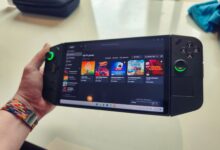
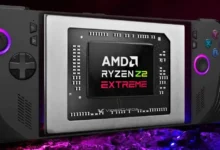
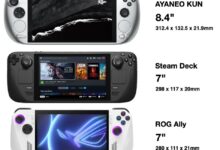
Overview of Handheld Gaming Performance
Handheld gaming performance refers to the ability of portable gaming devices to deliver smooth and responsive gameplay, high-quality graphics, and fast processing speeds. It plays a crucial role in providing an immersive gaming experience for users on the go.
The significance of performance in handheld gaming devices cannot be overstated. It directly impacts the gameplay experience, influencing factors such as frame rates, resolution, and overall game speed. A device with high performance capabilities can run demanding games smoothly, while a device with lower performance may struggle with lag and slowdowns.
Impact of Technological Advancements
Advancements in technology have revolutionized handheld gaming performance over the years. The introduction of powerful processors, dedicated graphics cards, and increased RAM capacity has enabled handheld devices to rival traditional gaming consoles in terms of performance.
Evolution of Handheld Gaming Devices
Handheld gaming devices have evolved significantly over the years, especially in terms of performance capabilities. From the early days of simple monochromatic screens and limited games, to the current era of high-definition graphics and immersive gaming experiences, the progress has been remarkable.
Performance Comparison
When comparing the performance capabilities of older handheld devices to the newest ones, the difference is staggering. Older devices like the Game Boy had basic 8-bit processors and limited memory, resulting in simple graphics and gameplay. In contrast, modern handhelds like the Nintendo Switch boast powerful processors, high-resolution screens, and advanced graphics capabilities, allowing for console-quality gaming on the go.
Key Milestones
- The release of the Game Boy in 1989 revolutionized handheld gaming, setting the standard for portable gaming devices.
- The introduction of color screens with devices like the Game Boy Color and later the Nintendo DS provided a significant improvement in visual quality.
- The emergence of touchscreens with devices like the Nintendo DS and smartphones opened up new possibilities for gameplay and interactivity.
- The launch of the Nintendo Switch in 2017 blurred the lines between handheld and console gaming, offering a hybrid experience with impressive performance capabilities.
Latest Technological Innovations
The fast-paced advancements in technology have significantly contributed to the evolution of handheld gaming devices, leading to improved performance and enhanced user experience. Let’s delve into the latest technological innovations that are driving these changes.
Processor Technology
The heart of any gaming device, the processor, plays a crucial role in determining the speed and efficiency of operations. The latest handheld gaming devices are equipped with powerful processors that offer seamless multitasking capabilities, allowing for faster loading times and smoother gameplay. With the integration of advanced chipsets and efficient architectures, these devices can handle complex graphics and AI algorithms with ease, resulting in a more immersive gaming experience.
Graphics Cards and GPU Technology
Graphics cards and GPU technology have also seen significant improvements in recent years, enabling handheld gaming devices to render high-quality visuals and realistic graphics. The latest devices come equipped with dedicated graphics cards that support ray tracing, high frame rates, and advanced shading techniques, delivering stunning visual effects and enhancing the overall gaming experience. With the ability to handle graphics-intensive games seamlessly, these devices provide users with a truly immersive gaming experience on the go.
Display Technology
The display technology in handheld gaming devices has also undergone remarkable advancements, with the introduction of OLED and AMOLED screens that offer vibrant colors, high contrast ratios, and faster refresh rates. These high-resolution displays provide crisp and clear visuals, making gameplay more engaging and visually appealing. Additionally, features like HDR support and adaptive refresh rates further enhance the viewing experience, ensuring that gamers enjoy every moment of their gaming sessions.
Benchmarking and Performance Testing
Benchmarking and performance testing play a crucial role in evaluating the capabilities of handheld gaming devices. By conducting these tests, we can determine the overall performance and efficiency of the device, allowing consumers to make informed decisions before purchasing.
Process of Benchmarking Handheld Gaming Devices
- Benchmarking involves running standardized tests on a handheld gaming device to measure its performance in various aspects such as graphics rendering, processing speed, and battery life.
- Specialized software is used to simulate real-life gaming scenarios and stress the device to its limits to assess how well it performs under pressure.
- Test results are compared against a database of similar devices to provide a relative performance score, which helps consumers understand where the device stands in terms of capabilities.
Importance of Benchmarking in Determining Device Capabilities
- Benchmarking allows consumers to make informed decisions by providing objective performance data that can be compared across different devices.
- It helps manufacturers identify areas for improvement and optimize their devices for better performance in future iterations.
- Developers can use benchmarking results to optimize their games for specific devices, ensuring a smoother gaming experience for users.
- Overall, benchmarking is essential in the tech industry to drive innovation and push the boundaries of what handheld gaming devices can achieve.
Comparison with Console Gaming Performance
When comparing the performance of the newest handheld gaming devices with traditional console gaming systems, several key factors come into play.
Advantages and Limitations of Handheld Gaming Performance
Handheld gaming devices offer the advantage of portability, allowing gamers to play on the go. However, they may have limitations in terms of processing power and graphics capabilities compared to consoles.
Bridging the Gap in Performance
Recent technological innovations in handheld gaming devices have enabled them to bridge the performance gap with console gaming. With advancements in hardware and software, handheld devices are becoming more powerful and capable of delivering console-like gaming experiences.
Impact of Cooling Systems on Performance
Cooling systems play a crucial role in maintaining optimal performance on handheld gaming devices by preventing overheating and ensuring consistent performance levels during intense gaming sessions.
Different Cooling Technologies
Various cooling technologies are used in handheld devices to manage heat dissipation and maintain performance levels:
- Liquid Cooling: Utilizes a liquid coolant to absorb and transfer heat away from the device, offering efficient cooling even under heavy workloads.
- Vapor Chamber Cooling: Utilizes a vapor chamber to spread heat evenly across the device, providing effective cooling for prolonged gaming sessions.
- Heat Pipe Cooling: Utilizes heat pipes to transfer heat away from the components, ensuring stable performance and preventing thermal throttling.
Enhancing Gaming Experience
Efficient cooling solutions not only prevent overheating but also enhance the overall gaming experience on handheld devices in the following ways:
- Improved Performance: By maintaining optimal temperatures, cooling systems allow the device to operate at peak performance levels without slowdowns or lag.
- Longevity: Effective cooling solutions can prolong the lifespan of the device by reducing stress on internal components and preventing damage due to overheating.
- User Comfort: Cooler device temperatures lead to a more comfortable gaming experience, especially during extended gaming sessions.
Battery Life and Performance Optimization
In the world of handheld gaming devices, battery life is a crucial aspect that directly impacts gaming performance. Players need their devices to last long gaming sessions without constantly needing to recharge. Optimizing performance while maximizing battery life is a delicate balance that manufacturers strive to achieve.
Importance of Battery Life in Gaming Performance
- Battery life directly affects the amount of time gamers can play without interruptions.
- Longer battery life allows for extended gaming sessions, especially on the go.
- Low battery life can hinder gameplay experience and lead to frustration among gamers.
Strategies for Optimizing Performance and Battery Life
- Adjusting display settings such as brightness and resolution can help conserve battery power.
- Closing background apps and processes can reduce battery drain during gaming sessions.
- Using power-saving modes or settings specifically designed for gaming can extend battery life.
Challenges of Balancing Performance and Battery Efficiency
- High-performance gaming requires more power, which can drain the battery quickly.
- Manufacturers need to find ways to optimize performance without sacrificing battery life.
- Finding the right balance between performance and battery efficiency is a continuous challenge in handheld gaming device development.
Future Trends in Handheld Gaming Performance
As technology continues to advance at a rapid pace, the future of handheld gaming performance looks promising. With the current trajectory of innovation, we can expect significant enhancements in the capabilities of handheld gaming devices.
Advancements in Processor Technology
One of the key areas that will drive future trends in handheld gaming performance is advancements in processor technology. With the development of more powerful and energy-efficient processors, handheld devices will be able to handle more complex games with ease. Processors with higher clock speeds and improved multi-core architectures will pave the way for enhanced gaming experiences on the go.
Integration of AI and Machine Learning
The integration of artificial intelligence (AI) and machine learning algorithms into handheld gaming devices is another trend to watch out for. These technologies can optimize gameplay by adapting to the player’s behavior and preferences in real-time. AI-driven features such as smart enemy behavior, dynamic difficulty adjustments, and personalized gaming recommendations will revolutionize the way gamers interact with their devices.
Expansion of Cloud Gaming Services
Cloud gaming is poised to revolutionize the gaming industry, and handheld devices are not exempt from this transformation. With the expansion of cloud gaming services, players will be able to access high-quality games without the need for powerful hardware. By offloading the processing and rendering tasks to remote servers, handheld devices can deliver console-level gaming experiences with minimal latency, paving the way for a more connected and immersive gaming ecosystem.
Enhanced Connectivity Options
Future handheld gaming devices are expected to offer enhanced connectivity options to cater to the demands of online multiplayer gaming and streaming services. With technologies like 5G networks and Wi-Fi 6 becoming more prevalent, gamers can expect seamless connectivity and reduced lag during gameplay. These advancements will enable more interactive and competitive gaming experiences on handheld devices.
User Experience and Performance
User experience plays a crucial role in evaluating handheld gaming performance. The smoothness, responsiveness, and overall quality of gameplay directly impact how users perceive their gaming experience on handheld devices. A seamless performance can lead to higher satisfaction levels and increased enjoyment during gaming sessions.
Enhancing User Satisfaction
Performance optimizations can significantly enhance user satisfaction while gaming on handheld devices. By improving frame rates, reducing lag, and ensuring consistent performance, users can experience a more immersive and enjoyable gameplay experience. Additionally, optimizing load times, graphics quality, and overall system responsiveness can further enhance user satisfaction.
- Implementing efficient cooling systems to prevent overheating and maintain optimal performance levels.
- Utilizing advanced processors and graphics chips to deliver high-quality visuals and smooth gameplay.
- Optimizing battery life to ensure longer gaming sessions without interruptions.
- Integrating responsive touch controls and intuitive interfaces for a seamless user experience.
Game Compatibility and Performance
Game compatibility and performance are crucial aspects of handheld gaming devices, as they directly impact the overall gaming experience. The ability of a device to run different types of games smoothly and efficiently is key to satisfying the diverse needs of gamers.
Utilization of Performance Capabilities
Different types of games utilize the performance capabilities of handheld devices in varying ways. For instance, graphically intensive games with complex 3D rendering and high frame rates require more processing power and memory to run smoothly. On the other hand, retro-style games or 2D platformers may not demand as much performance but still rely on consistent processing speed for a seamless gaming experience.
- Graphically Intensive Games: These games push the limits of handheld devices by requiring advanced processing units and high-resolution displays to deliver stunning visuals and smooth gameplay.
- Indie Games and Retro Titles: While not as demanding as AAA titles, indie games and retro titles still require optimized performance to ensure responsive controls and consistent frame rates.
- Online Multiplayer Games: Games that rely on real-time online interactions demand stable network connectivity and processing power to minimize lags and delays, enhancing the overall gaming experience.
Optimizing performance for a wide range of gaming titles is essential to cater to the diverse preferences of gamers and provide a seamless gaming experience on handheld devices.
Customization and Performance Tuning
Customization and performance tuning for handheld gaming devices involve adjusting various settings to optimize the device’s performance according to individual preferences and requirements. By customizing these settings, users can enhance their gaming experience, improve gameplay, and maximize the device’s capabilities.
Tips and Techniques for Optimization
- Adjust graphics settings: Users can tweak graphics settings such as resolution, texture quality, and frame rate to find the right balance between visual quality and performance.
- Manage background apps: Closing unnecessary background apps and processes can free up resources and improve the device’s performance during gaming sessions.
- Update firmware and drivers: Keeping the device’s firmware and drivers up to date can resolve performance issues and ensure compatibility with the latest games.
- Overclocking: Advanced users may explore overclocking the device’s CPU or GPU to boost performance, but this should be done cautiously to avoid overheating and damage.
Advantages of Customizing Performance Settings
- Personalized experience: Customizing performance settings allows users to tailor their gaming experience to suit their preferences, whether they prioritize graphics quality, frame rate, or battery life.
- Optimized gameplay: By fine-tuning performance settings, users can achieve smoother gameplay, reduced lag, and better responsiveness in games.
- Extended device lifespan: Optimizing performance through customization can help prevent overheating and prolong the lifespan of the handheld gaming device.
Conclusion
In conclusion, the discussion on the newest handheld gaming performance provides a comprehensive overview of the advancements, challenges, and future possibilities in the realm of portable gaming devices.

Bryan Felizie is a seasoned digital content writer and researcher with a strong passion for delivering insightful, reliable, and well-researched articles across a wide range of topics on Tanelly.com. With years of experience in online publishing, Bryan has consistently focused on producing high-quality content that not only engages readers, but also provides real value and practical knowledge.
More About Bryan Felizie : https://tanelly.com/author-profile/